Home / Guide / Guide: starting an online food shop in Germany
Starting an online food shop in Germany: registration, mandatory information, shipping
Last updated: 07 November 2026
Anyone selling food online in Germany is a food business operator. Notify your local food control authority before you start, show the mandatory information in your shop before the customer buys, and deliver only German-labelled goods that carry a best-before date. Storage and shipping must protect the goods. Status: November 2026; this guide is general information, not legal advice.
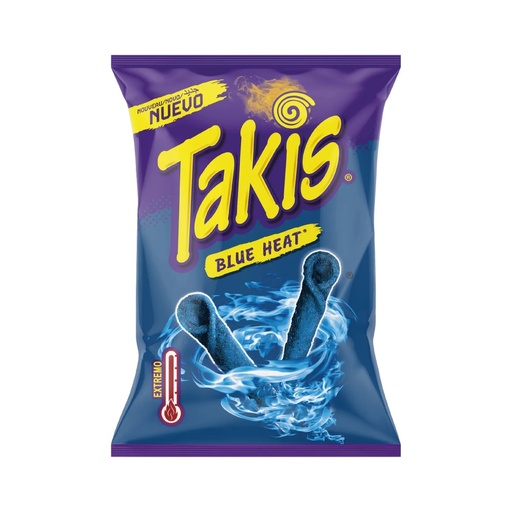 Takis Blue Heat 100gPrices after approval
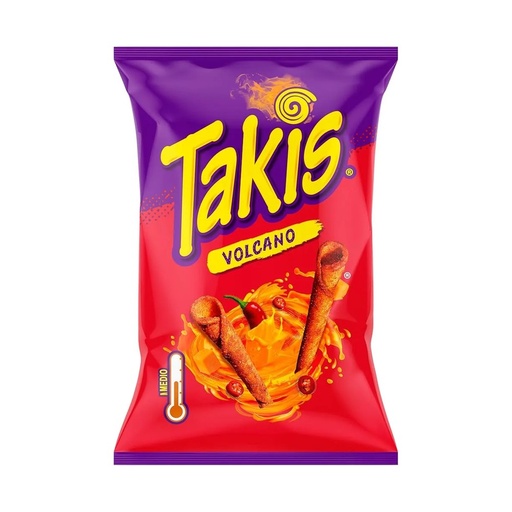 Takis Queso Volcano 100gPrices after approval
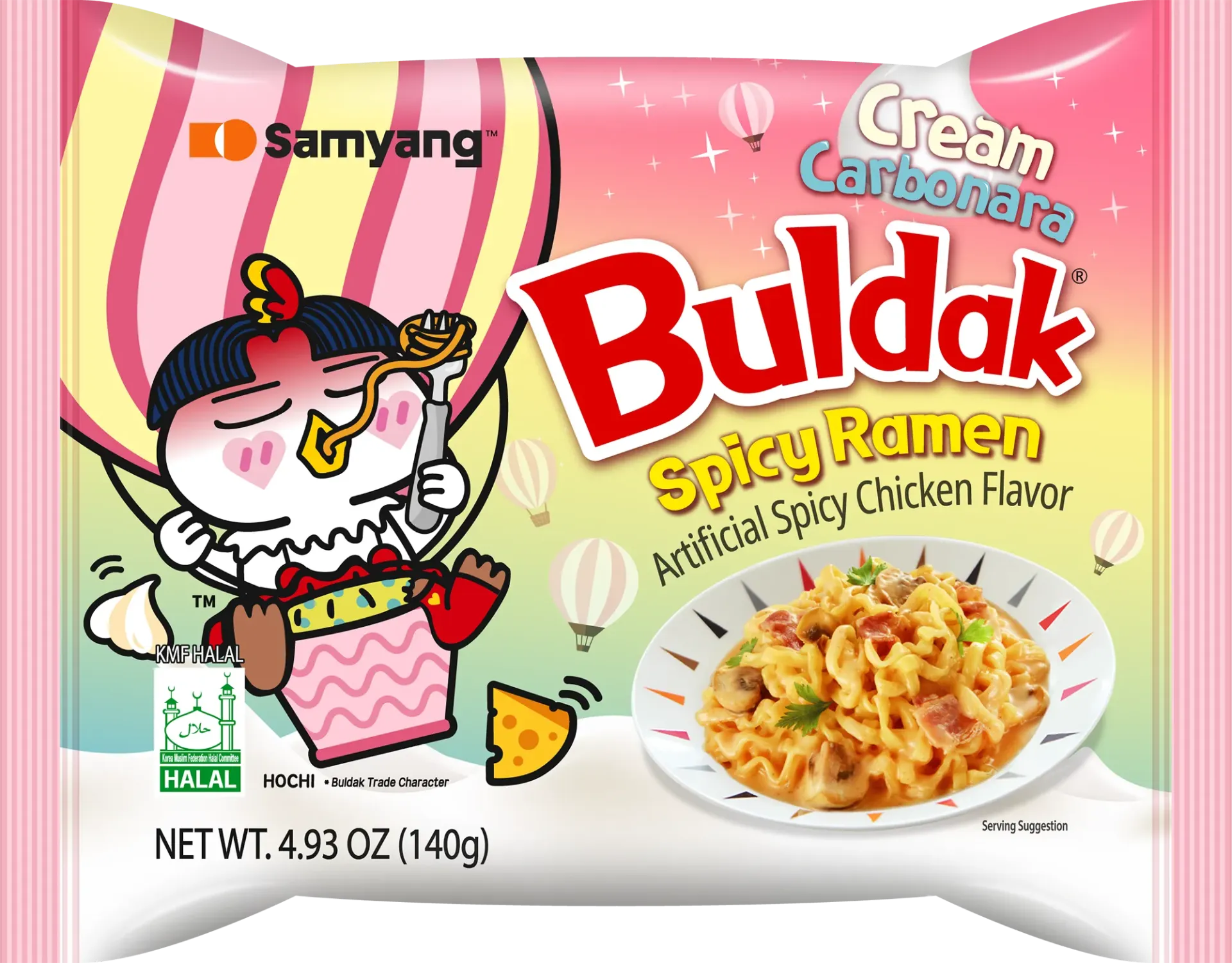 Samyang Buldak Creamy Carbonara 140gPrices after approval
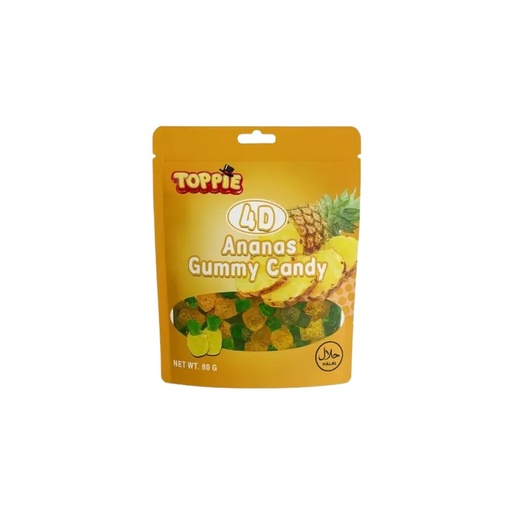 Toppie Pineapple Gummy 80g (1*16)Prices after approval
Do I have to register as an online seller?
Yes. Germany's Federal Office of Consumer Protection and Food Safety (BVL) states that online sellers are food businesses and must register with the food control authority of their district or city. The basis is Article 6(2) of Regulation (EC) No 852/2004: every establishment active at a stage of production, processing or distribution is notified to the authority. That applies even if you sell only packaged snacks.
The procedure varies by German state and authority. Bavaria's BayernPortal gives one example (as of 9 July 2026): notification comes before you start trading, carries no fee and can be informal if no form is provided. Ask your authority how it works locally, and report major changes later on, such as a new storeroom.
Starting without registering is not worth it. According to the BVL, its central unit G@ZIELT actively looks for unregistered online sellers, and the Federal Central Tax Office passes on data about online food businesses under § 38a LFGB. Registered sellers are then checked on a risk basis, as physical retailers are.
Which information must appear in the shop before purchase?
Article 14 of the Food Information Regulation (FIC, Regulation (EU) No 1169/2011) requires mandatory information to be available before the contract of sale is concluded, either on the product page or by another clearly identified means, at no extra cost to the customer.
The particulars in Article 9 include: name of the food, list of ingredients, allergens, quantity of certain ingredients, net quantity, storage or use instructions where needed, name and address of the food business, country of origin where required, instructions for use where needed, alcohol strength for drinks above 1.2 % vol and the nutrition declaration.
In practice, plain text on each product page works well, copied from the exact pack you ship. A photo of the back helps only if it is easy to read. If the manufacturer changes a recipe, your shop text has to follow, so check each new delivery against your product page.
When must the best-before date be available?
The date is the one exception: it need not appear in the shop before purchase, but it must be on the goods at delivery. Article 14 requires all mandatory particulars to be available at the moment of delivery.
Remaining shelf life matters more than the legal point. Goods that reach the customer shortly before the date soon lead to complaints. Ship the earliest date first and set a limit below which an item no longer goes out. Our guide on best-before dates in wholesale explains how to manage this when buying.
How do I declare allergens correctly?
Annex II of the FIC Regulation lists 14 groups: cereals containing gluten, crustaceans, eggs, fish, peanuts, soybeans, milk, nuts, celery, mustard, sesame, sulphur dioxide and sulphites, lupin and molluscs. Under Article 21 they appear in the ingredient list and are emphasised there, for example through typeface or background colour. If there is no ingredient list, the statement begins with “Contains”.
Carry that emphasis over to your product page, for example in bold. A separate allergen box next to the ingredients is a useful extra, but it does not replace the entry in the list. Do not repack anything yourself: loose or refilled goods bring their own duties.
Why must the label be in German?
The FIC Regulation lets member states set the language, and Germany does: under § 2 LMIDV, food is labelled in German. Additional languages are allowed. For prepacked food, the information goes directly on the pack or on a label attached to it (Article 12); stating it only in your shop is not enough.
Even if you change nothing on the label, Article 8 bars you from supplying goods you know or must presume to be non-compliant. So check language, EU address and warnings when goods arrive. What else matters for imports is covered in our guide on labelling imported snacks.
How should I store food for an online shop?
Primary responsibility for safety lies with the food business operator (Article 1 of Regulation 852/2004). Annex II requires food to be protected against contamination at all stages of distribution. In practice, a small storeroom works best when it is clean and dry, free of pests, off the floor, with no chemicals nearby and no household items among the stock.
Follow the instructions on the pack. Under Article 2 of the FIC Regulation, a best-before date holds only when the food is stored properly, so a pack marked “cool and dry” does not belong under the roof. Keep records of suppliers and deliveries as well: Regulation (EC) No 178/2002 requires traceability, and in a recall you will need the date and lot.
Article 5 of Regulation 852/2004 requires procedures based on HACCP principles, and Article 13 lets the Commission grant exemptions that make HACCP easier for small businesses. Settle how much paperwork a seller of prepacked goods needs with your authority when you register.
What applies when shipping in hot weather?
In the rules we checked for this guide, we found no fixed temperature limit for unchilled snacks in a parcel. Annex II of Regulation 852/2004 requires food to be kept at suitable temperatures during transport where necessary, and the cold chain must not be broken. Chilled goods are therefore hardly practical for small parcel shops: Bavaria's food authority LGL orders such foods online as test samples and measures their temperature first on arrival.
With unchilled goods, the issue is mainly quality. Chocolate, cream fillings and gummies are especially sensitive. On hot days it tends to help to ship early in the week so that no parcel sits in a depot over the weekend, to keep parcels out of the sun, to pause sensitive items and to tell customers in the shop.
Sort out your shipping carton too. The EU Packaging Regulation has applied since 12 August 2026. According to Germany's Central Agency Packaging Register, shipping packaging is always subject to system participation. Its page for online retailers explains when you count as a producer and must enter the LUCID register.
What can you buy from MDH to get started?
MDH Distribution supplies online sellers without a physical shop with trend snacks and drinks such as Takis, Samyang Buldak, Toppie and LOTTE Milkis. These are packaged, unchilled items. We do not stock everyday food; our guide on choosing a wholesaler for your online food shop shows which supplier suits what.
Our goods are intended for the EU market, and we work directly with the manufacturers. Take the details for your product page from the pack you receive; if you have questions about an item, we can help with documents. There is no minimum order value and you buy full cartons, so you can start small. Register with your business registration.
Sources
- Verordnung (EG) Nr. 852/2004 über Lebensmittelhygiene, Art. 1, 5, 6, 13 und Anhang II (EUR-Lex, konsolidierte Fassung vom 24.03.2021)
- Verordnung (EU) Nr. 1169/2011 (LMIV), Art. 2, 8, 9, 12, 14, 15, 21, 25 und Anhang II (EUR-Lex, konsolidierte Fassung vom 01.01.2018)
- Verordnung (EG) Nr. 178/2002, Art. 18 Rückverfolgbarkeit (EUR-Lex)
- § 2 Lebensmittelinformations-Durchführungsverordnung (LMIDV) (gesetze-im-internet.de, abgerufen 07.11.2026)
- Überwachung des Internethandels mit Lebensmitteln (Bundesamt für Verbraucherschutz und Lebensmittelsicherheit, abgerufen 07.11.2026)
- Registrierung als Lebensmittelunternehmer (BayernPortal, Stand 09.07.2026)
- Lebensmittel per Mausklick: Die Überwachung des Lebensmittelhandels im Internet (LGL Bayern, Stand 23.04.2025)
- Mail-order companies and online retailers (Stiftung Zentrale Stelle Verpackungsregister, abgerufen 07.11.2026)
Frequently asked questions
Where can I get stock for a new online food shop?
For trend snacks and imported brands, one option is MDH Distribution, a B2B wholesaler with a warehouse in Mettmann, Germany. You register with proof of business, and there is no minimum order value. For staple foods you will need a different supplier.
Do I have to register if I only sell prepacked goods?
Yes. Distributing prepacked food is among the activities to notify under Article 6 of Regulation (EC) No 852/2004. The food control authority of your district or city is responsible.
Does the best-before date have to be shown in my online shop?
No, not before purchase. It is the only mandatory particular that Article 14 of the FIC Regulation exempts. It must be available at delivery, however.
Can I give the ingredients only when the goods are delivered?
No. Ingredients, allergens and the other mandatory particulars must be available before the purchase is concluded, at no extra cost to the customer.
May I sell snacks with an English label online in Germany?
Only if the mandatory information also appears in German on the pack or on an attached label. That is what § 2 LMIDV requires.
Does registering with food control cost anything?
According to BayernPortal, there is no fee in Bavaria. In other German states, ask your authority, as the procedure may differ.
Can I ship chocolate in summer?
We know of no general ban, but the goods must arrive in perfect condition. It tends to help to pause sensitive items on hot days or to ship only early in the week.
Create your dealer account now
Register for free, upload your proof of business and, once approved (usually within 1–2 working days), see wholesale prices and order. No minimum order value.