Home / Guide / Guide: starting an exotic snack shop
How to start an exotic snack and trend shop in Europe: a sourcing checklist
Last updated: 02 November 2026
To open an exotic snack and trend shop in Europe you need three things before the first delivery: a registered business, a food business registration with your local authority, and suppliers whose products carry labels that are legal in your country. Once those are in place, build a small range across a few categories and reorder in small quantities. This checklist covers the sourcing side as of November 2026; it is general information, not legal advice.
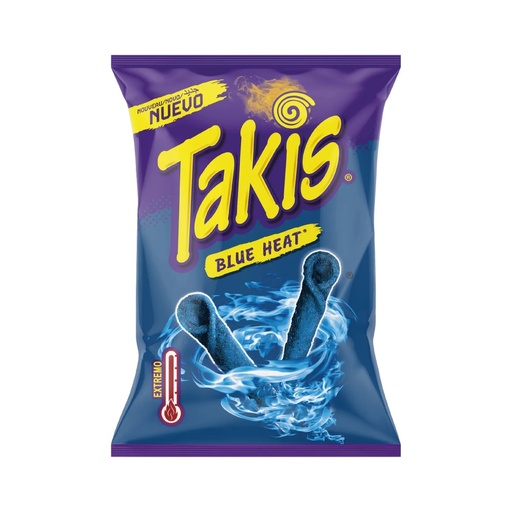 Takis Blue Heat 100gPrices after approval
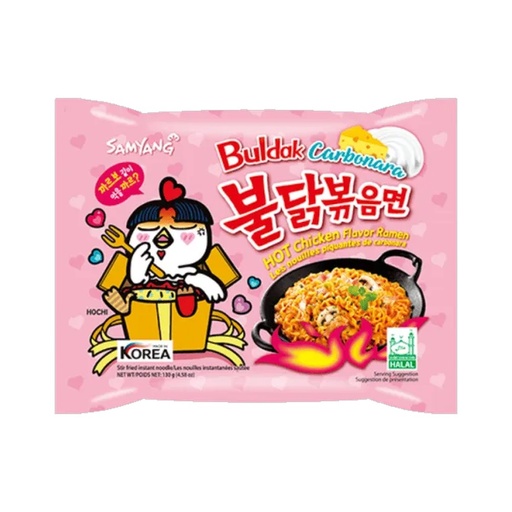 Samyang Buldak Carbonara 40x130gPrices after approval
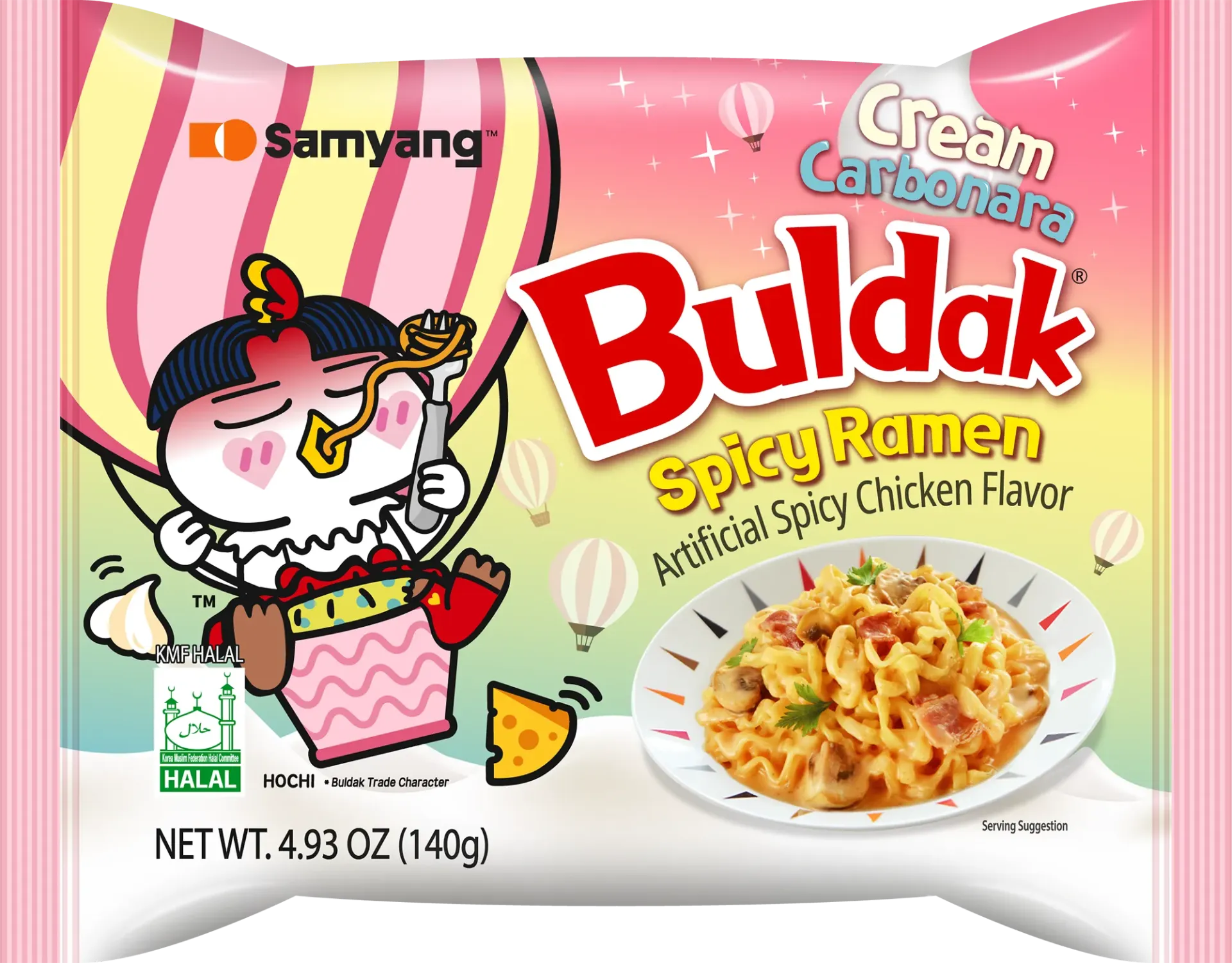 Samyang Buldak Creamy Carbonara 140gPrices after approval
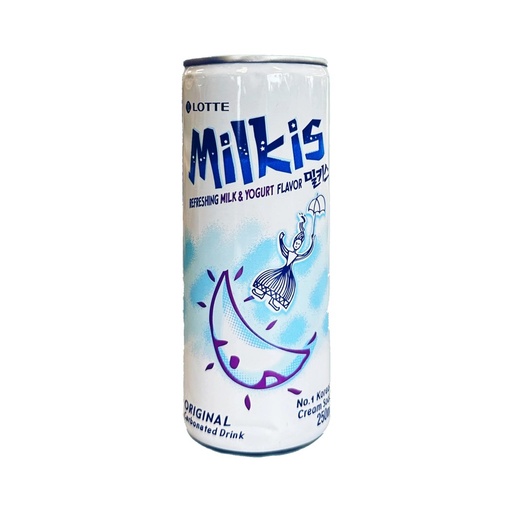 LOTTE Milkis Original 30x250mlPrices after approval
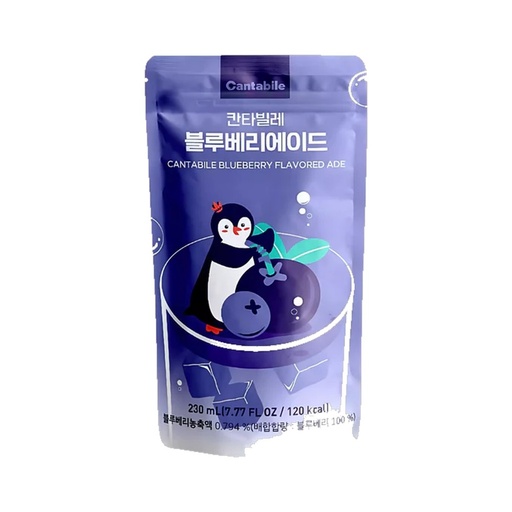 Cantabile Blueberry Ade 50x230mlPrices after approval
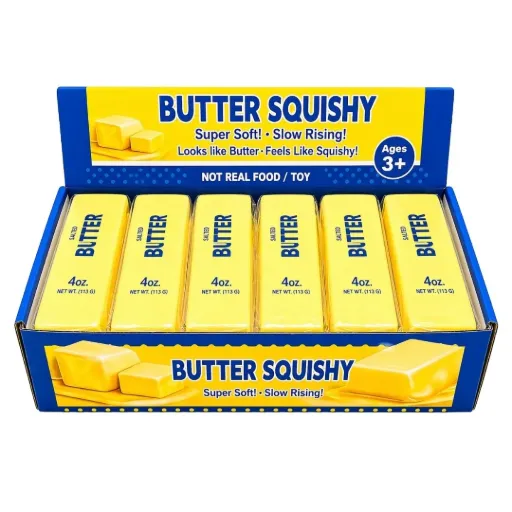 Butter Squishy 113gPrices after approval
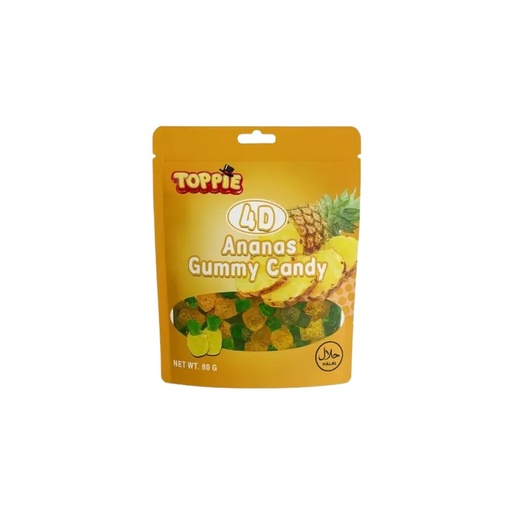 Toppie Pineapple Gummy 80g (1*16)Prices after approval
What makes an exotic snack shop different from a kiosk?
An exotic snack shop sells what supermarkets rarely stock: spicy rolled tortilla chips, Korean instant noodles and milk sodas, imported sweets and the toys that trend on social media. Customers come on purpose, often after seeing a product in a short video, and expect something new on every visit.
That changes how you buy. A classic kiosk gets its basics from a few suppliers and its range changes slowly. A snack shop needs a steady flow of novelties, reliable stock of a few bestsellers and paperwork for every product. If you are opening a general kiosk or late-night shop, our guide to opening a kiosk covers location, fit-out and everyday purchasing. This checklist concentrates on imported and trend products.
Which registrations do you need before the first order?
Business registration. Wholesalers sell only to registered businesses, so this comes first. The EU's Your Europe portal explains that every EU country has a Point of Single Contact for registration and permits, and that member states are encouraged to make setting up a business possible within 3 working days and for less than €100.
Food business registration. Selling packaged snacks makes you a food business operator, and the EU food hygiene rules in Regulation (EC) No 852/2004 apply to every food business regardless of size. Food business operators have to notify their premises to the competent authority for registration. Ireland's food safety authority FSAI, for example, states that registration must be completed before trading starts and that failing to register is an offence. Ask your local food authority how it works where you are.
VAT ID. If you plan to buy from suppliers in other EU countries, you will need a VAT identification number. How invoices and proof of delivery work in that case is explained in our guide on buying wholesale from Germany as an EU business.
Why do labels decide what you can sell?
Under the EU food information regulation (EU) No 1169/2011, mandatory food information must be given in a language that consumers in the country of sale easily understand, and member states may require their official language. Germany, for example, requires mandatory labelling in German (section 2 LMIDV). A snack labelled only in Korean or English may therefore not be sellable as it is.
Additives are the second trap. Foods containing any of the six colours E 110, E 104, E 122, E 129, E 102 or E 124 must carry the warning that they may have an adverse effect on activity and attention in children. Products made for markets outside the EU do not always carry it, so check the actual pack, not just the brand name.
For food from outside the EU, the importer is responsible for compliant labelling. Anyone who adds a translation sticker is responsible for what the sticker says. Our guide on labelling rules for imported snacks covers this in detail.
Which kinds of suppliers can you work with?
Importers and official distributors bring products into the EU and are responsible for their labelling. They often sell in larger quantities and sometimes only to established retailers.
Specialised wholesalers buy from importers or brands and sell smaller quantities, often by the case, from stock inside the EU. They suit shops that want variety without large orders.
Cash and carry and general wholesalers cover basics such as soft drinks and well-known confectionery, but rarely the latest imports.
B2B marketplaces let you try many brands with low minimums; our comparison of European wholesale marketplaces explains how they differ.
Buying directly from outside the EU makes you the importer, with everything that involves: customs, labelling and food safety responsibility. For a brand-new shop, that is a big step to take on day one.
What belongs in a starter range?
Plan around categories rather than single hype products: spicy snacks, Asian noodles, Korean and other imported drinks, sweets and gummies, licensed snacks, and trend toys such as squishies by the till. Each category needs one or two dependable sellers and space for novelties.
Korean food is one of the growth areas. According to Korea's Ministry of Agriculture, Food and Rural Affairs, as reported by Korea JoongAng Daily in January 2026, Korean agri-food exports to Europe reached USD 773.7 million in 2025, up 13.6 %, and ramyeon exports passed USD 1.5 billion worldwide for the first time.
Toys are not just for children. Circana data published by Spielwarenmesse in 2024 put kidults, meaning teenagers and adults buying for themselves, at 28.5 % of European toy market revenue. Squishies and fidget toys can therefore work for older customers in a snack shop too.
Keep quantities small at first. One case per item is usually enough to see what moves, and it leaves budget for reorders and for the next novelty.
How do seasons and trends affect buying?
Seasons shape a snack shop as much as trends do. Halloween, Christmas with its advent calendars, Easter and summer drinks each need stock ordered weeks in advance, because popular seasonal items sell out early at the supplier. Note the order deadlines of your suppliers in a simple seasonal calendar.
Viral products follow a different curve: demand rises fast and can fall just as fast. Buy small, watch sales weekly and reorder quickly instead of stocking up. A short sales log per item is enough to see when a trend is turning.
Extreme products deserve extra care, especially very spicy snacks marketed for online challenges. Follow official warnings in your country and keep such products away from very young customers.
Checklist before your first order
Registrations: business registration done, food business registration filed with the local authority, VAT ID in place if you buy abroad.
Labels: mandatory food information in the language of your country, colour warnings where required, name and address of the responsible food business operator.
Toys: CE marking, the name and address of manufacturer or importer, age warnings. EU toy safety rules expect distributors to check these points before selling. From August 2030 the new Toy Safety Regulation (EU) 2025/2509, in force since January 2026, takes over.
Supplier documents: invoices with your company details, and on request information about the responsible manufacturer or importer, the EU declaration of conformity or a test report for toys, and the certificate for the specific product if you sell halal. At MDH we provide CE declarations of conformity and test reports for our toys and halal certificates for Samyang Buldak on request; checking before you sell is still your job.
Logistics: best-before dates on arrival, storage away from heat and sunlight, realistic delivery times for reorders.
Sourcing trend snacks and toys from MDH
For trend snacks and toys, MDH Distribution supplies businesses from its warehouse in Mettmann, Germany. The range includes Takis in Blue Heat, Fuego and Queso Volcano, Samyang Buldak, LOTTE Milkis, Cantabile Ade, Red Bull special editions, Toppie gummies, Stranger Things snacks and a wide choice of squishies. There is no minimum order value; you order full cases. Several of these brands are among the most requested items in our range.
Within Germany, orders usually arrive in 24–48 hours. Businesses in other EU countries register with a valid VAT ID and are invoiced without German VAT; we deliver to their country and agree shipping method, cost and transit time beforehand. Our goods are intended for the EU market and come from official distribution channels, but you should still check the labelling rules in your country before selling. To see prices, create a trade account; approval usually takes 1–2 working days.
Sources
- Starting a business: registration and Points of Single Contact (Your Europe, European Union, zuletzt geprüft 31.08.2026)
- Food hygiene – Regulation (EC) No 852/2004 (European Commission, abgerufen 02.11.2026)
- Business Start-up Information Factsheet (Food Safety Authority of Ireland, abgerufen 02.11.2026)
- § 2 LMIDV – Sprache der Kennzeichnung (Bundesministerium der Justiz, abgerufen 02.11.2026)
- VO (EG) Nr. 1333/2008, Anhang V – Warnhinweis Farbstoffe (Gesetzestext-Spiegel gesetze.legal, abgerufen 02.11.2026)
- Korea's food exports hit record high in 2025 (Korea JoongAng Daily, 12.01.2026)
- Kidults are driving growth in Europe's toy market (Spielwarenmesse eG, 2024, Daten: Circana)
- Toy safety (European Commission, Binnenmarkt, abgerufen 02.11.2026)
Frequently asked questions
Where can I buy exotic snacks wholesale in Europe?
From importers, specialised wholesalers and B2B marketplaces. MDH Distribution is one option: a German B2B wholesaler for Takis, Samyang Buldak, LOTTE Milkis, Cantabile and squishies, with no minimum order value and delivery to all EU countries.
Do I need a licence to sell imported snacks?
You need a registered business and, as a food business operator, a registration with your local food authority before you start trading. Further permits depend on your country and range, for example for alcohol.
Can I sell snacks with foreign-language labels?
Mandatory food information must be in a language consumers in your country easily understand, and many countries require their official language. Products without it need correct labelling by a responsible operator first.
How many products should a new snack shop start with?
Enough to cover each category with one or two dependable sellers plus a few novelties. Start with one case per item and reorder what sells.
Should I import directly from the US or Asia?
Only if you are ready to act as the importer, with responsibility for customs, labels and food safety. Most new shops start with suppliers that already hold stock in the EU.
Are squishies a good addition to a snack shop?
They can be, as an impulse buy by the till and for older customers who collect them. Check CE marking, warnings and the manufacturer's or importer's address before you sell.
Can a shop in another EU country buy from a German wholesaler?
Yes, with a registered business and a valid VAT ID. At MDH you register online, are invoiced without German VAT and receive the goods in your country, with route and cost agreed together.
Create your dealer account now
Register for free, upload your proof of business and, once approved (usually within 1–2 working days), see wholesale prices and order. No minimum order value.