Home / Guide / Guide: labelling imported snacks in the EU
Selling imported snacks in the EU: labels, languages and additive warnings retailers must check
Last updated: 02 November 2026
Imported snacks may be sold in the EU only if the label meets EU food information rules in a language your customers understand: the name, ingredients with highlighted allergens, net quantity, best-before date, nutrition declaration and the name and address of the responsible business. Some products also need extra warnings, for example for six specific colours or for high caffeine. This guide lists what retailers should check before listing a product, as of November 2026. It is general information, not legal advice.
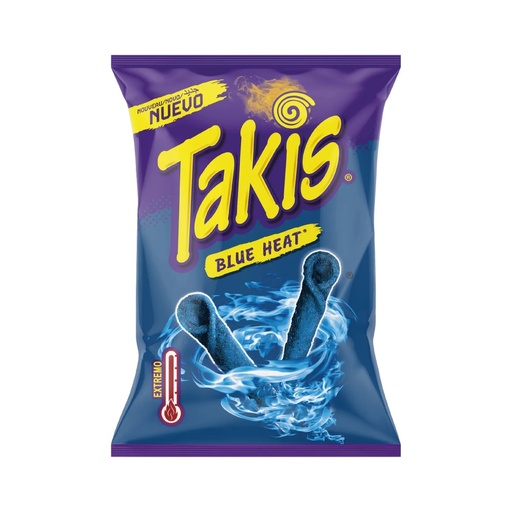 Takis Blue Heat 100gPrices after approval
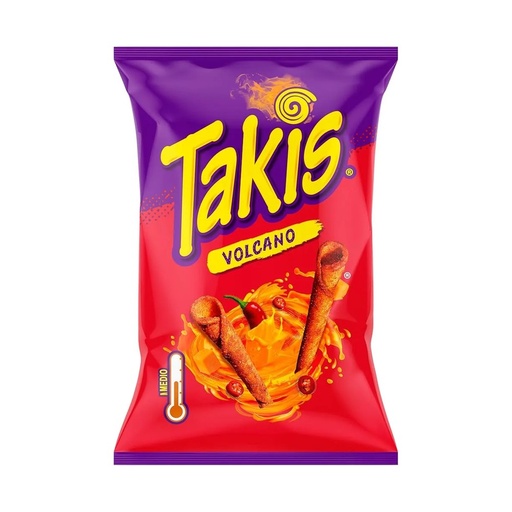 Takis Queso Volcano 100gPrices after approval
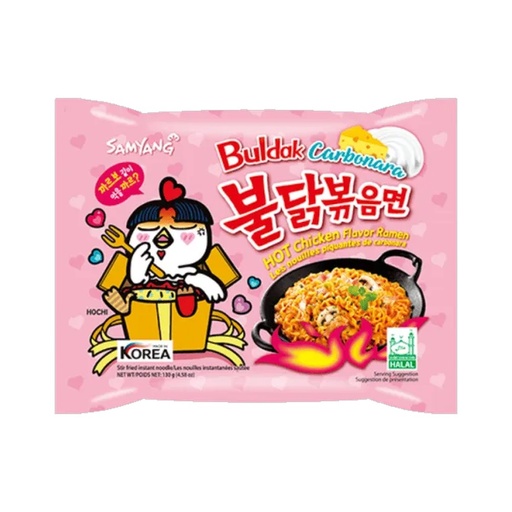 Samyang Buldak Carbonara 40x130gPrices after approval
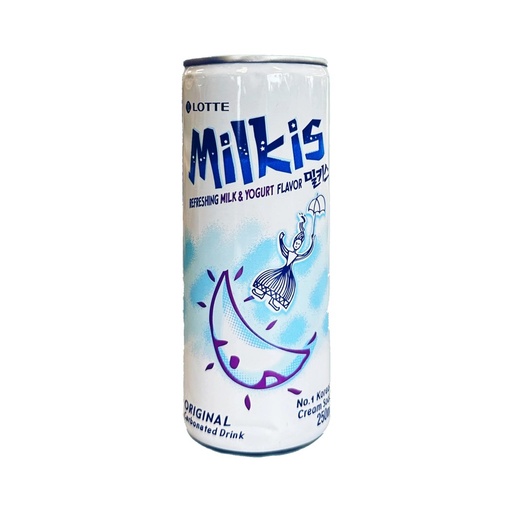 LOTTE Milkis Original 30x250mlPrices after approval
Who is responsible for the label of an imported snack?
Regulation (EU) No 1169/2011 on food information to consumers gives the main responsibility to the business under whose name the food is marketed. If that business is not established in the EU, the importer into the EU is responsible. That is why packs intended for the EU name a company with an EU address.
Retailers further down the chain are not off the hook. Under the regulation, businesses that do not change the food information must not supply food that they know, or must presume as professionals, to be non-compliant. Anyone who changes or adds information, for example with a translation sticker, is responsible for that change.
In practice: if a pack carries no EU address at all, you cannot tell who answers for it. Ask your supplier before you buy.
Which details must appear on every pack?
The regulation lists the mandatory particulars. In plain words they are: the name of the food, the list of ingredients, allergens, the quantity of certain ingredients where required, the net quantity, the best-before or use-by date, special storage conditions or conditions of use, the name and address of the responsible business, the country of origin where required, instructions for use where needed, the alcohol strength for drinks above 1.2 % and a nutrition declaration.
Allergens such as milk, wheat, soy, peanuts or celery must be emphasised in the ingredient list, for example in bold or capitals, so that they stand out from the other ingredients. This is one of the points where packs made for other markets most often fall short.
Which language does the label need?
The EU rule is that mandatory information must be in a language easily understood by consumers in the country where the food is sold. Each member state may require one or more of its official languages. Germany does exactly that: under § 2 of the German Food Information Implementing Regulation (LMIDV), mandatory information must be in German.
Other countries have their own rules, so a pack labelled only in English, Spanish or Korean may be acceptable in one market and not in another. Check the requirements of your national food authority.
A recent Danish case shows why a translation sticker must be complete. On 5 May 2026 the Danish Veterinary and Food Administration published a recall of a Buldak Hot Chicken ramen multipack (6 × 145 g) sold in specialist shops, because the allergen celery was not declared on the Danish labelling. The product itself had not changed; the local label was missing information.
Which colours need the “activity and attention” warning?
Under Article 24 and Annex V of Regulation (EC) No 1333/2008, foods containing any of six colours must carry an extra statement: E 110 sunset yellow, E 104 quinoline yellow, E 122 carmoisine, E 129 allura red, E 102 tartrazine and E 124 ponceau 4R. The wording is: name or E number of the colour(s), followed by “may have an adverse effect on activity and attention in children”.
These colours are permitted in the EU; the warning is the condition. Five of the six are azo dyes, while quinoline yellow is not, so it is more accurate to speak of “six colours” than of “azo dyes”. Packs printed for the US or Asian market often lack the statement, so check the ingredient list for these names and numbers.
When do energy drinks need a caffeine warning?
Drinks with more than 150 mg of caffeine per litre, other than those based on coffee or tea, must state “High caffeine content. Not recommended for children or pregnant or breast-feeding women” in the same field of vision as the product name, followed by the caffeine content in mg per 100 ml. This comes from Annex III of Regulation 1169/2011.
Some countries add maximum levels. Germany caps caffeine in caffeinated soft drinks at 320 mg per litre. Austria's consumer association VKI compared two drinks on 23 April 2024: a 250 ml can of Red Bull contains 80 mg of caffeine, which equals 320 mg per litre, while a 355 ml can of Prime Energy contains 200 mg. The VKI also reported that Prime Energy had been banned in Slovenia because of its caffeine content.
By our own calculation, 200 mg in 355 ml is about 563 mg per litre, well above the German maximum. A US can of that kind could therefore not be sold legally in Germany, whatever its popularity online.
What is a grey import, and why is it risky?
A grey import is a branded product made for another market, for example the US or Korea, that reaches European shelves through unofficial channels. The product is genuine, but the pack was never designed for EU rules. Typical gaps: no EU address, a label only in a foreign language, missing colour warnings, additives that are not authorised in the EU, or caffeine above national limits.
The UK, which is no longer in the EU, shows how authorities react. According to Food Safety News (16 October 2024), Westminster City Council reported destroying 2,374 non-compliant products over three months, and Staffordshire County Council seized more than 750 items from a single shop. The problems included brominated vegetable oil, erythrosine (E 127) outside its permitted uses, mineral oil and missing English labelling and allergen information. EU rules differ in detail, but the pattern is the same.
Are Takis banned in Europe?
No. Takis, a brand of Barcel, part of Grupo Bimbo, are sold in the EU. Grupo Bimbo launched Takis on the Spanish market in 2015 with two flavours, Fuego and Queso TNT (Just Food, 14 April 2015).
The “banned” question usually comes from debates about US snacks and their colours. What matters is the pack in front of you: an EU address, the mandatory information in your customers' language and, if one of the six colours is used, the warning. That applies to Takis exactly as it does to any other brand. Our Takis wholesale page lists the flavours we stock.
A short checklist before you list an imported snack
1. Is a business with an EU address named on the pack? 2. Is the mandatory information in a language accepted in your country? 3. Are allergens highlighted? 4. Does the ingredient list contain E 102, E 104, E 110, E 122, E 124 or E 129, and if so, is the warning there? 5. For drinks: is the caffeine content above 150 mg per litre, and is the warning printed? 6. Have you checked the recall portal of your national authority?
The goods we sell are intended for the EU market and come from official distribution channels, but we do not promise that every label meets the rules of other countries, so check them before selling, and ask us if you need details for a specific item. Every order comes with a proper invoice. Imported brands in our range are collected on the page imported snacks wholesale, and the background to the Danish noodle recall is in our Buldak guide. Businesses can open a trade account online.
Sources
- Regulation (EU) No 1169/2011 on the provision of food information to consumers (EUR-Lex)
- Regulation (EC) No 1333/2008 on food additives, Article 24 and Annex V (EUR-Lex)
- § 2 Lebensmittelinformations-Durchführungsverordnung (LMIDV) (gesetze-im-internet.de)
- Anlage 8 Fruchtsaft- und Erfrischungsgetränkeverordnung: Höchstmengen Koffein (gesetze-im-internet.de)
- VKI: Influencer-Drinks – Warnung vor hohem Koffeingehalt (Verein für Konsumenteninformation, 23.04.2024)
- Tilbagekald: Udeklareret allergen (selleri) i ramen nudler (Fødevarestyrelsen, 05.05.2026)
- English council seizures include American products (Food Safety News, 16.10.2024)
- Bimbo launches Takis snack brand in Spain (Just Food, 14.04.2015)
Frequently asked questions
Where can I buy imported snacks wholesale with proper invoices?
For example from MDH Distribution, a trade-only wholesaler in Mettmann, Germany, with brands such as Takis, Samyang Buldak and LOTTE Milkis. Every order comes with an invoice; before selling outside Germany, check the labelling rules in your country.
Do imported snacks need a label in my country's language?
The mandatory information must be in a language easily understood by consumers where the food is sold, and many countries prescribe their official language. Germany requires German.
Can I put a translation sticker on imported snacks myself?
Labels may be supplemented, but whoever changes or adds food information is responsible for it. A sticker must be complete and correct, including all allergens.
Which E numbers need a warning on the label?
E 102, E 104, E 110, E 122, E 124 and E 129. Foods containing them must state that they may have an adverse effect on activity and attention in children.
Are Takis banned in the EU?
No. Takis are sold in the EU and were launched in Spain in 2015. As with any snack, check that the pack you buy meets EU labelling rules.
When does an energy drink need the high caffeine warning?
When it contains more than 150 mg of caffeine per litre and is not based on coffee or tea. The warning must appear in the same field of vision as the product name.
Who is liable if an imported snack is not compliant?
Primarily the business under whose name it is marketed, or the EU importer. Retailers must not sell food they know or must presume to be non-compliant.
Create your dealer account now
Register for free, upload your proof of business and, once approved (usually within 1–2 working days), see wholesale prices and order. No minimum order value.