Home / Guide / Guide: delivery to your fulfilment centre
Delivering wholesale stock straight to your fulfilment centre: a checklist for online sellers
Last updated: 02 November 2026
A wholesaler can deliver straight to your fulfilment centre, but the warehouse sets the rules: announce the delivery in advance, send cartons and pallets that match its size, weight and label requirements, and provide best-before dates for food. Get those requirements in writing before you order. MDH Distribution delivers directly to the fulfilment warehouses of online sellers; marketplace-specific prep such as barcode labels is something to plan with your fulfilment provider. As of November 2026.
 Butter Squishy 113gPrices after approval
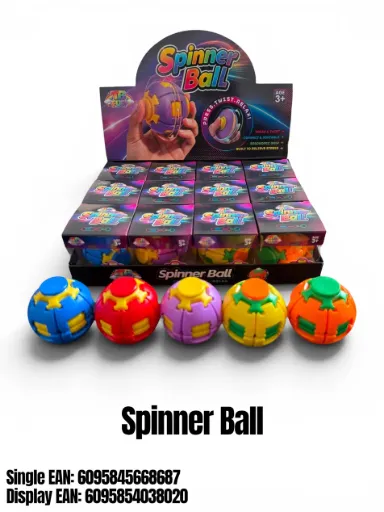 Spinner BallPrices after approval
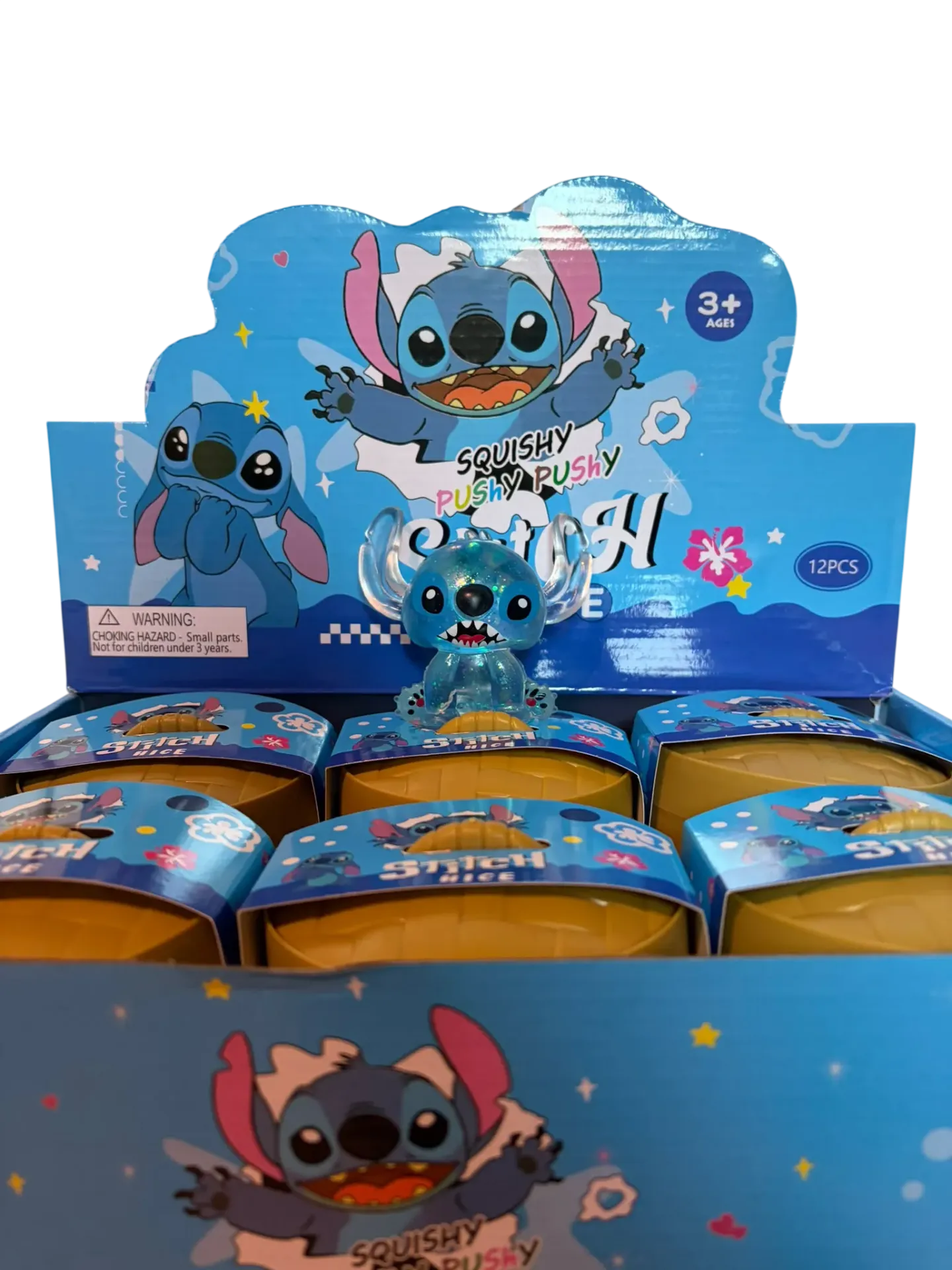 Squishy Toy MediumPrices after approval
 Takis Blue Heat 100gPrices after approval
 Samyang Buldak Carbonara 40x130gPrices after approval
 Wunder Toothpicks 40-piece displayPrices after approval
Why have wholesale stock delivered straight to the fulfilment centre?
Every time goods pass through your own hands, you pay for transport, time and storage space. A direct delivery from the wholesaler to your fulfilment provider or marketplace warehouse removes one leg: the stock is unpacked once, checked in once and ready to sell sooner.
The price for this convenience is precision. A fulfilment warehouse receives hundreds of deliveries and processes them by rule. A delivery that arrives unannounced, with unlabelled cartons or with best-before dates nobody recorded, may be refused, held in a clarification area or booked in with errors. Most problems at intake are caused by missing information rather than damaged goods.
What does the warehouse need to know before the goods arrive?
Almost every fulfilment centre works with an advance shipping notice, often called an ASN or delivery notice. You create it in the warehouse's portal or send it by email, and it tells the warehouse what to expect. Typical contents: your reference or purchase order number, the sender (your wholesaler), the expected delivery date, the number of parcels or pallets, and a line for each item with EAN and quantity.
For pallet deliveries many warehouses also require a time slot, because docks and staff are planned in advance. Ask your provider three things in writing: the exact delivery address including dock or gate, the reference that must appear on every carton and document, and the receiving hours.
Send this information to your wholesaler before the order is packed. Once the goods have left the warehouse, adding a reference to every carton is no longer possible.
How should cartons be labelled and sized?
Each carton should show, on at least one side and in print rather than handwriting, the delivery reference, the item description, the EAN and the quantity inside. Mixed cartons need a clear marking and a contents list; unmarked mixed cartons are one of the most common reasons for slow intake.
Fulfilment providers and marketplace warehouses publish their own limits for carton size and weight, and these change from time to time. Check the current values in your provider's guidelines or seller help pages rather than relying on figures from forums. For the parcel network itself, DHL's published limit for a domestic parcel in Germany is 31.5 kg and 120 × 60 × 60 cm (DHL, November 2026); warehouses often set lower limits per carton.
Original manufacturer cartons help here. A full packing unit is a known quantity, often already marked with item details, and it can usually be booked in without being opened. That is one reason why wholesale ordering in full cases suits fulfilment so well.
What applies to pallet deliveries?
The standard load carrier in Europe is the EPAL Euro pallet: 1,200 × 800 mm, 144 mm high, weighing about 25 kg, with a safe working load of 1,500 kg according to the European Pallet Association. Your warehouse decides the maximum loaded height and weight it accepts, whether pallets must be single-item or may be mixed, and whether empty pallets are exchanged.
Many warehouses expect a logistics label based on the GS1 standard. According to GS1 Sweden, the Serial Shipping Container Code (SSCC) is the only mandatory element of the GS1 logistic label; the item number (GTIN) becomes mandatory on the label if no electronic despatch advice has been sent; a single batch should be stated; and dates such as best-before can be shown, using the earliest date where items differ.
Whether a wholesaler can produce SSCC labels varies. Ask in advance and, if it cannot, agree with your fulfilment provider how the pallet will be identified on arrival.
Why do best-before dates matter at intake?
For food, the best-before or use-by date is one of the mandatory particulars on the label under Article 9 of Regulation (EU) No 1169/2011. Fulfilment centres usually record it at intake so that the oldest stock ships first, and many set a minimum remaining shelf life below which they refuse or flag goods.
Ask your provider for that minimum in writing, then share it with your wholesaler before ordering. For snacks such as Takis or Samyang Buldak, plan quantities so that the stock sells well before the date. A carton that reaches the end customer with only a few weeks left leads to complaints and returns. More on food labels for imported products is in our guide to EU food labelling for imported snacks.
Which paperwork travels with the delivery?
A delivery note or packing list that matches the advance notice line by line is the minimum. The invoice is addressed to your company, not to the warehouse: the billing address is yours, only the delivery address is the fulfilment centre. Keep both together, because marketplaces may ask for purchase invoices when reviewing a brand or listing.
If your fulfilment centre is in another EU country, VAT rules apply to the delivery. Storing your own goods in a member state other than the one that issued your VAT ID can create registration duties there. Talk to your tax adviser before you set this up. The supplier side of intra-EU paperwork is explained in our guide to EU wholesale paperwork.
What goes wrong most often, and how do you prevent it?
Missing reference: the warehouse cannot match the delivery to an advance notice. Put the reference on every carton and document.
Quantities differ from the notice: update the notice when the order confirmation changes.
Cartons too heavy or too large: check the warehouse limits before ordering heavy items such as drinks.
Best-before dates unknown: ask the wholesaler for dates before shipping and record them in the notice.
Marketplace labels missing: clarify who applies them. Many fulfilment providers offer this service; agree it with them rather than assuming the supplier will do it.
Wrong gate or closed dock: pass the exact receiving hours and contact person on to your supplier and carrier.
How does delivery to a fulfilment centre work with MDH?
MDH delivers directly to your fulfilment warehouse. Before you order, send us the delivery address, your reference and the receiving requirements by email or WhatsApp, and we confirm what we can provide. Within Germany we ship by DHL parcel for €9.99 per order or by pallet freight for large quantities, usually within 24–48 hours; deliveries to other EU countries are arranged individually. We do not promise marketplace prep such as product barcode labels, so plan that with your fulfilment provider; special requests are welcome, and we will tell you honestly what is possible.
Our goods come in full cartons with no minimum order value, which makes it easy to send a test quantity to a new warehouse. For the business side of reselling online, read our guide for online sellers; product ideas are on wholesale stock for online shops. To see prices, create a dealer account; approval usually takes 1–2 working days.
Sources
- Pallet labelling: rules and recommendations (GS1 Sweden, accessed November 2026)
- EPAL Euro pallet (EPAL 1): dimensions, weight and safe working load (European Pallet Association)
- DHL Paket: parcel sizes and weights within Germany (DHL, accessed November 2026)
- Regulation (EU) No 1169/2011, Article 9 List of mandatory particulars, as adopted (legislation.gov.uk)
Frequently asked questions
Can a wholesaler deliver directly to my fulfilment centre?
Yes, many can. MDH Distribution, a B2B wholesaler in Mettmann, Germany, delivers directly to online sellers' fulfilment warehouses. Send us the address, your reference and the receiving requirements before you order; within Germany we ship by parcel or pallet, other EU countries on request.
What is an advance shipping notice?
A notice you send to the warehouse before the delivery, listing the sender, expected date, number of cartons or pallets and the items with EAN and quantities, usually with a reference number.
Does MDH apply marketplace barcode labels?
We do not promise prep services such as product barcode labels. Plan them with your fulfilment provider, and ask us in advance if you have a special request.
What size is a Euro pallet?
1,200 × 800 mm and 144 mm high, weighing about 25 kg, with a safe working load of 1,500 kg according to EPAL. Your warehouse sets the maximum loaded height.
Why does the warehouse want best-before dates?
To ship the oldest stock first and to refuse goods below its minimum remaining shelf life. Ask for that minimum in writing before you order food.
Who should the invoice be addressed to?
To your company. Only the delivery address is the fulfilment centre. Keep invoice and delivery note together for marketplace checks.
Can I have goods delivered to a fulfilment centre in another EU country?
Usually yes, but storing your own goods in another member state can create VAT registration duties there. Check with your tax adviser first.
Create your dealer account now
Register for free, upload your proof of business and, once approved (usually within 1–2 working days), see wholesale prices and order. No minimum order value.