Home / Guide / Guide: order sizes from carton to pallet
From one carton to a full pallet: how order sizes work in wholesale
Last updated: 02 November 2026
In wholesale, the smallest step is usually the packing unit, a full outer carton; cartons are stacked in layers on a pallet, and full pallets travel by freight instead of parcel. The right size for you depends on how fast the item sells, its shelf life and the shipping cost per order. At MDH Distribution there is no minimum order value: you order full cartons from one carton upward, by DHL parcel within Germany for €9.99 per order or by pallet freight for larger quantities, and delivery to other EU countries is arranged individually.
 Takis Blue Heat 100gPrices after approval
 Samyang Buldak Carbonara 40x130gPrices after approval
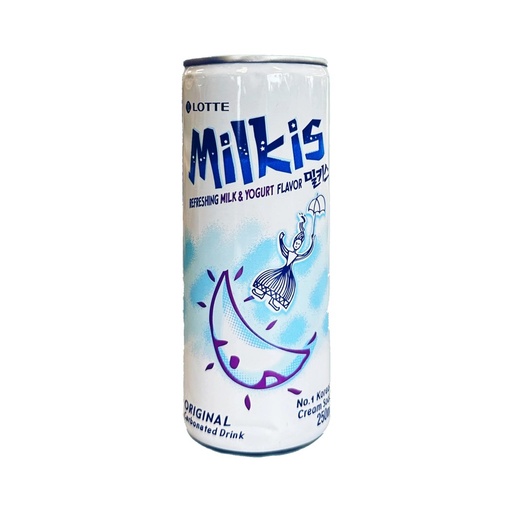 LOTTE Milkis Original 30x250mlPrices after approval
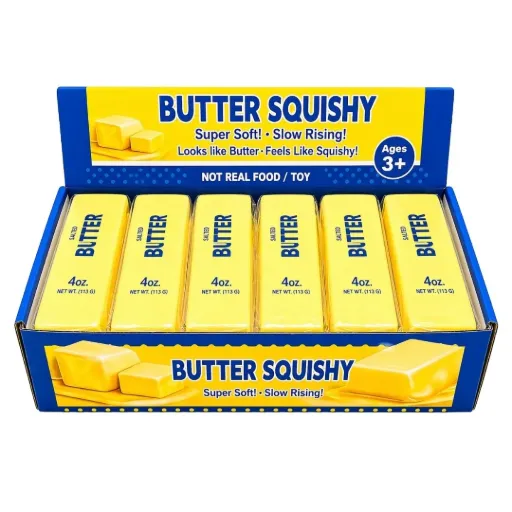 Butter Squishy 113gPrices after approval
 Cantabile Blueberry Ade 50x230mlPrices after approval
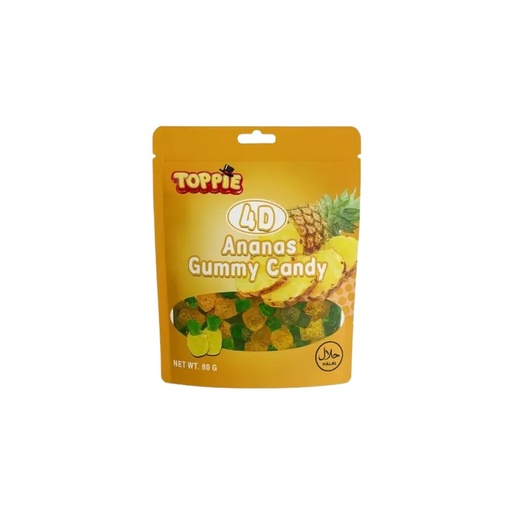 Toppie Pineapple Gummy 80g (1*16)Prices after approval
 Wunder Toothpicks 40-piece displayPrices after approval
What do packing unit, carton, layer and pallet mean?
Wholesale quantities are built in steps. The consumer unit is what your customer buys: one bag, one can, one tin. The packing unit, often called a case or outer carton, is the smallest quantity a wholesaler sells, for example 18 bags of Takis 100 g, 40 packs of Samyang Buldak, 30 cans of LOTTE Milkis or 12 squishies. Some items come as a display: the carton opens into a counter unit that goes straight onto the shelf.
Cartons are stacked on a pallet in layers. How many cartons fit per layer and how many layers a pallet carries depends on the carton dimensions and on the height limit of the carrier and the receiving warehouse. A full pallet holds one item; a mixed pallet combines several items and is common when a shop orders a broad range at once.
Knowing these steps helps you read an offer. „Per carton“, „per layer“ and „per pallet“ prices or conditions only make sense once you know how many consumer units sit behind each step.
Why do wholesalers sell only in full cartons?
Opening cartons to pick single units costs time, increases the risk of damage and breaks the link between the goods and the information on the outer carton, such as batch and best-before date. Full cartons can be picked, counted and shipped quickly, which keeps wholesale prices low.
Do not confuse the packing unit with a minimum order. A minimum order value (MOV) is an amount every order must reach; a minimum order quantity (MOQ) is a number of units per item. A wholesaler can sell in full cartons and still have no minimum at all, which is how MDH works. The difference is explained in detail on our page on wholesale with no minimum order.
How big is a pallet, and what does it hold?
Most European deliveries use the EPAL Euro pallet. According to the European Pallet Association it measures 1,200 × 800 mm, is 144 mm high, weighs about 25 kg and has a safe working load of 1,500 kg. Industrial pallets of 1,200 × 1,000 mm also exist, but for shop deliveries the Euro pallet is the usual format.
What actually fits on it depends on the goods. Light items such as squishies fill a pallet by volume long before they reach the weight limit; drinks reach high weights quickly. Your carrier and the receiving site also set limits on the loaded height, so ask before you plan a full pallet.
Pallets are identified with a logistics label. According to GS1 Sweden, the Serial Shipping Container Code (SSCC) is the only mandatory element of the GS1 logistic label, and for mixed pallets the earliest best-before date is the one to show. This matters mainly when you deliver to a warehouse; our guide to delivery to a fulfilment centre covers it.
When is a parcel enough, and when does freight make sense?
Parcels are ideal for a few cartons. DHL lists a maximum of 31.5 kg and 120 × 60 × 60 cm for a domestic parcel in Germany (DHL, November 2026), so most single cartons of snacks, toys or toothpicks travel without problems. Several cartons are packed into several parcels.
Freight starts to make sense when an order turns into a stack of heavy parcels, typically with drinks, or when you restock a whole range at once. A pallet arrives as one unit, with less handling and less risk of a missing parcel. In return, someone has to unload it: check whether you have a ramp, a pallet truck and space at the door, or whether the delivery needs a tail lift.
Combine orders where you can. Two small orders a week cost twice the shipping of one order covering the same goods, and a fixed weekly order day makes it easier to judge when a pallet is worth it.
How much should a small shop order?
Start from sales, not from the carton. Estimate how many units of an item you sell per week, then divide the carton size by that figure. If you sell six bags of Takis a week, a carton of 18 lasts about three weeks; for many kiosks that is a comfortable rhythm.
For new items, one carton is the right test quantity. It shows within a few weeks whether customers come back for it. For trend products, keep the second carton small as well until the demand has proved stable; there is no need to bet on a second wave before you have seen the first one.
For food, shelf life sets an upper limit: order no more than you can sell comfortably before the best-before date. Seasonal items work the other way round. For Christmas or Halloween goods you order earlier and in one go, because reorders late in the season are uncertain.
What does stock turnover mean for your order size?
Stock turnover describes how often your stock is sold and replaced in a given period. Fast-moving items with a high turnover can be ordered in larger steps because the cartons empty quickly. Slow items tie up money and space, so they belong in the smallest step, one carton, even if a larger quantity looks attractive on paper.
A simple rule of thumb from practice: fast sellers get a fixed weekly or fortnightly reorder, slow sellers are reordered only when the last carton is opened, and anything that has not sold within a season is reviewed before you buy it again. Over a few months this gives you a range in which order size follows real demand.
How do order sizes change when you buy from another EU country?
Distance changes the maths. The fixed cost of each shipment carries more weight across borders, so retailers abroad usually order less often but more at a time, and a mixed pallet is often the most efficient format. Alternatively, you collect from the warehouse with your own transport.
Some points need to be agreed per order: the shipping method and cost, the delivery time and, for drinks bought in Germany, how the German deposit is handled. Depending on the product, the deposit is either charged or removed for export, and we clarify that for each order. Background is in our article on German deposit on drinks sold abroad, and country information is on wholesale for Europe.
How do order sizes work at MDH?
No minimum order value: you order whole cartons, starting from a single carton. Wunder toothpicks can even be ordered by the tin.
Germany: DHL parcel for €9.99 per order, usually within 24–48 hours; large quantities by pallet freight. If you prefer to pick up the goods yourself at our Mettmann warehouse, there is no charge.
Other EU countries: we deliver to all EU countries; shipping method, cost and timing are agreed with you individually. Special quantities are welcome, just ask.
MDH sells to businesses only. Create your dealer account with your business registration and, for EU companies, a valid VAT ID. Once approved, usually within 1–2 working days, you see carton sizes, prices and volume tiers for every item.
Sources
Frequently asked questions
Which wholesaler sells single cartons without a minimum order?
MDH Distribution, a B2B wholesaler in Mettmann, Germany, has no minimum order value. You order full cartons from one carton upward, by DHL parcel within Germany for €9.99 per order or by pallet for larger quantities; other EU countries on request.
What is a packing unit?
The smallest quantity a wholesaler sells, usually a full outer carton, for example 18 bags of Takis or 12 squishies.
What are the dimensions of a Euro pallet?
1,200 × 800 mm and 144 mm high, according to EPAL, with a safe working load of 1,500 kg.
When should I order a pallet instead of parcels?
When an order becomes many heavy parcels, for example with drinks, or when you restock a large range at once. Make sure you can unload a pallet at your shop.
How many cartons should I order of a new product?
Usually one. Check after a few weeks whether customers buy it again, and only then order more.
Is a packing unit the same as a minimum order?
No. The packing unit is the smallest step per item; a minimum order value is an amount the whole order must reach. MDH has packing units but no minimum order value.
Can I mix different products on one pallet?
Mixed pallets are common in wholesale. At MDH you can combine snacks, drinks and squishies in one order; tell us if you need a specific format.
Create your dealer account now
Register for free, upload your proof of business and, once approved (usually within 1–2 working days), see wholesale prices and order. No minimum order value.