Home / Guide / Guide: German can deposit (Pfand) and selling abroad
Drinks with German deposit (Pfand) sold abroad: what retailers in other countries need to know
Last updated: 02 November 2026
A can or plastic bottle with the German deposit logo can only be returned for a refund in Germany. The German deposit does not apply to drinks that are demonstrably intended for end consumers outside Germany, but the destination country usually has its own deposit system with its own registration and labelling. As of November 2026, retailers abroad should clarify both sides before they order canned drinks from Germany. This is general information, not legal advice.
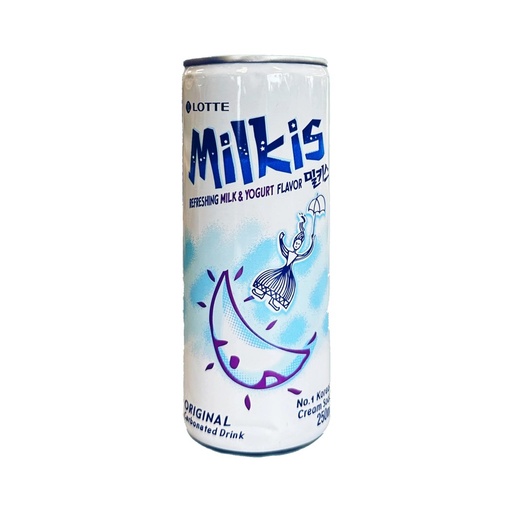 LOTTE Milkis Original 30x250mlPrices after approval
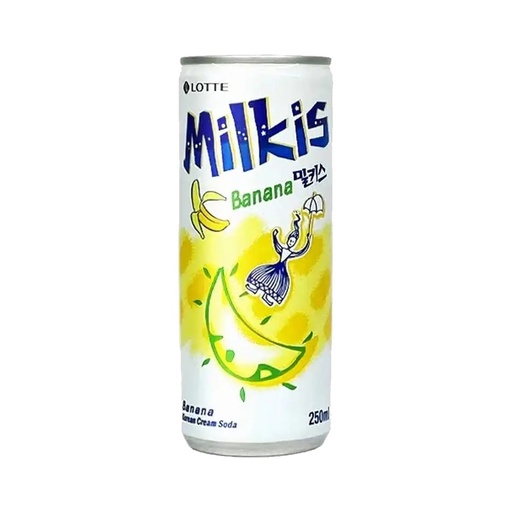 LOTTE Milkis Banana 30x250mlPrices after approval
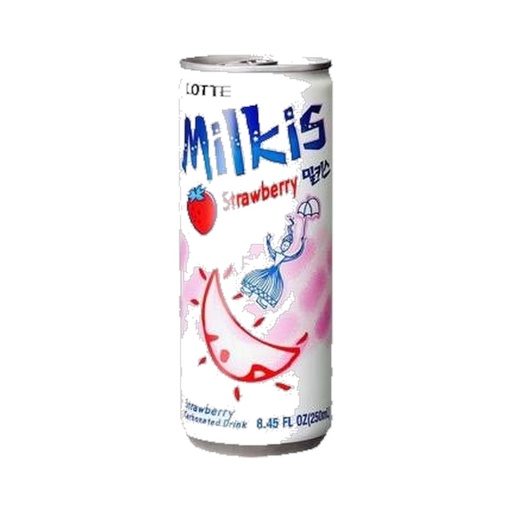 LOTTE Milkis Strawberry 30x250mlPrices after approval
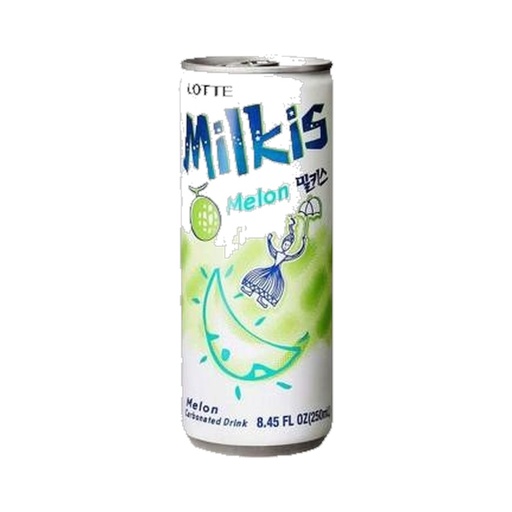 LOTTE Milkis Melon 30x250mlPrices after approval
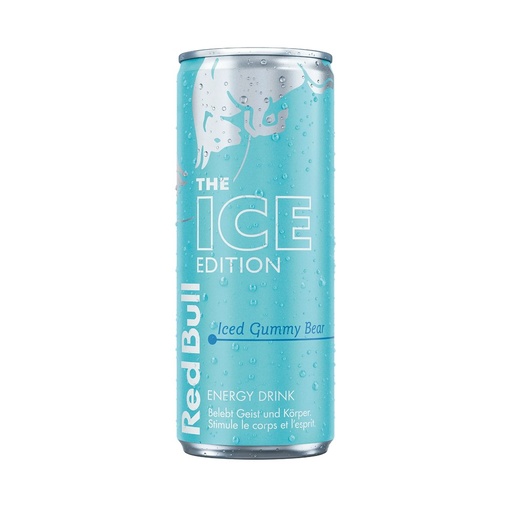 Red Bull Iced Vanilla Berry 250mlPrices after approval
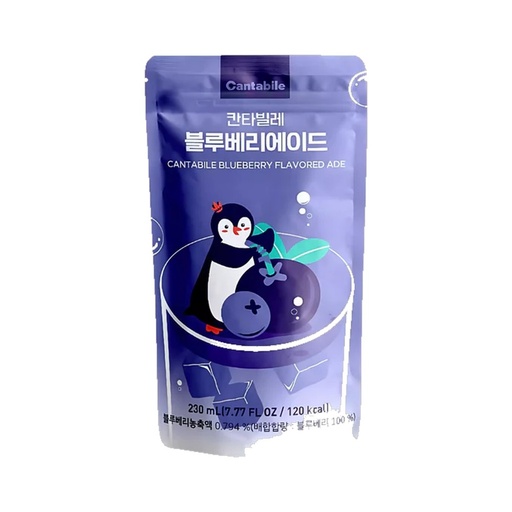 Cantabile Blueberry Ade 50x230mlPrices after approval
How does the German deposit on cans and bottles work?
Since 12 August 2026 the German rules are set out in § 46 of the Packaging Law Implementation Act (VerpackDG), which replaced the previous Packaging Act. The business that first places a single-use drink container on the German market must charge a deposit of at least 25 cents including VAT per container. Every further seller charges it again, down to the end consumer.
The containers must be marked as deposit items before they are made available in Germany, and the first seller must take part in a nationwide deposit system. In practice that is the system of Deutsche Pfandsystem GmbH (DPG), whose logo you know from German cans.
Not every format is covered. The law exempts, among others, containers under 0.1 litres or over 3 litres, drinks cartons and stand-up pouches. Some drinks such as fruit juices or milk drinks are exempt in certain packaging, but not when they come in cans or single-use plastic bottles.
Can German deposit cans be returned in other countries?
No. The German deposit is refunded by shops in Germany that sell drinks in the same material. Reverse vending machines in Austria, the Netherlands or Denmark are set up for their own national logos and barcodes, so a German can will normally not be accepted there. Your customer would simply lose the deposit.
The reverse case also matters: if a consumer buys a drink in Germany and takes it across the border, the German deposit still applies. It is charged when the drink is sold to an end consumer in Germany.
Do drinks for export carry German deposit?
Under § 46(4) VerpackDG, the German deposit rules do not apply to drinks containers that are demonstrably not intended to be handed to end consumers in Germany. The key word is demonstrably: the export has to be documented.
When goods have already been bought with German deposit, whether a supplier can invoice an export without deposit depends on the proof available and on arrangements further up the supply chain. Ask your supplier about this before you order, not afterwards.
Austria shows how formal such procedures can be. According to Recycling Pfand Österreich (May 2025), Austrian exporters only get the deposit refunded if the goods have demonstrably left the country and were invoiced without deposit. They need to register in a portal and keep documents similar to those required for VAT-free deliveries, such as a CMR consignment note or a receipt confirmation.
Which deposit systems apply in neighbouring countries?
Austria: since 1 January 2025, single-use plastic bottles and metal cans from 0.1 to 3 litres carry a deposit of 25 cents and the Austrian deposit logo. Netherlands: cans have been included since 1 April 2023 at 15 cents per can; small plastic bottles carry 15 cents and bottles of one litre or more 25 cents, according to the operator Verpact.
Denmark: drinks sold in Denmark must carry the Danish deposit mark. According to Dansk Retursystem (October 2025), producers and importers are responsible for this marking, either printed on the pack or with self-adhesive deposit labels bought from Dansk Retursystem, and they cannot pass this obligation on to later sellers. Sweden: with few exceptions, such as certain dairy drinks, all drinks packaging in plastic and metal must be part of an approved return system; in 2025 Pantamera raised the deposit on cans and small plastic bottles from one to two kronor.
Poland: the national deposit system started on 1 October 2025, with a deposit of 0.50 złoty on plastic bottles up to 3 litres and cans up to 1 litre. Baltic states: Estonia, Latvia and Lithuania all run deposit systems; their operators are members of the European association of deposit system operators, according to Dansk Retursystem (April 2026).
Belgium: according to The Brussels Times (24 August 2026), Belgium did not operate a deposit system for cans and bottles at that time and relied on its household collection of plastic and metal packaging. Dansk Retursystem expects a Belgian system before 2029. Check the current status before you plan drinks sales there.
What changes with the EU packaging regulation?
The EU Packaging and Packaging Waste Regulation (EU) 2025/40, known as PPWR, requires member states to ensure by 1 January 2029 that at least 90 % by weight of single-use plastic drinks bottles and metal drinks containers up to 3 litres are collected separately each year. Deposit return systems are the standard way to get there. Countries that reach a high collection rate by other means can, under conditions, be exempted.
Dansk Retursystem expects the number of deposit systems in Europe to rise from 11 in 2020 to at least 27 in 2030. For cross-border trade this means more national systems, each with its own registration and marking. There is no single EU deposit logo that is valid everywhere.
What should retailers outside Germany check before ordering drinks?
1. Is the drink covered by a deposit system in your country? Cans and plastic bottles usually are; pouches or cartons may be treated differently. 2. Who brings the goods into your country? In many systems the importer, which may be you, must register the product and make sure it carries the national deposit mark. 3. Does the pack carry a foreign deposit logo? A German logo can confuse customers and machines in your country.
4. How do you calculate prices? Include the deposit your customers pay in your own system, and clarify with your supplier whether German deposit is charged on your invoice. 5. What about the label? The food information rules apply in addition to deposit rules; our guide to labelling imported snacks explains them.
How does MDH handle deposit items?
In our shop the deposit is shown separately for each item. LOTTE Milkis in 250 ml cans and our Red Bull editions are sold with German deposit, while Cantabile Ade in 230 ml stand-up pouches carries no German deposit. More details are on our pages for Milkis wholesale and Red Bull wholesale.
We deliver to all EU countries and agree shipping method, cost and transit time with you. For deliveries abroad we clarify, product by product, whether German deposit is included or taken off the invoice. So when you order, tell us in which country you plan to sell the canned drinks, and we will discuss deposit and paperwork for your case. Retailers from other EU countries can register online with a valid VAT ID; collection from our Mettmann warehouse is also possible.
Sources
- § 46 Verpackungsrecht-Durchführungsgesetz (VerpackDG), in force since 12.08.2026 (gesetze-im-internet.de)
- Regelung für Export bzw. innergemeinschaftliche Lieferungen (Recycling Pfand Österreich, Mai 2025)
- Deposit tariffs (Verpact, Netherlands)
- Primær Mærkning af engangsemballager – manual til producenter og importører (Dansk Retursystem, Oct. 2025)
- Increased deposit on beverage packaging 2025 (Pantamera/Returpack, Sweden)
- The deposit-refund system has been launched (Ministry of Climate and Environment, Poland, Oct. 2025)
- Fordobling af pant- og retursystemer i Europa på 10 år (Dansk Retursystem, Apr. 2026)
- New EU packaging rules: Will Belgium introduce deposit on bottles and cans? (The Brussels Times, 24.08.2026)
Frequently asked questions
Where can I buy canned drinks wholesale in Germany for a shop abroad?
For example from MDH Distribution, a trade-only wholesaler in Mettmann with LOTTE Milkis, Red Bull editions and Cantabile Ade. We deliver to every EU country and clarify per item whether German deposit is charged or removed; check the deposit rules of your own country before ordering.
Can I return German Pfand cans in the Netherlands or Austria?
No. German deposit is refunded only by shops in Germany. Machines abroad are set up for their national deposit logos.
Do I pay German deposit on drinks bought for export?
German deposit does not apply to containers demonstrably not intended for end consumers in Germany. Whether your invoice can be issued without deposit depends on the proof of export; ask your supplier before ordering. At MDH we decide this per order and per product.
Do I have to register imported drinks with the deposit system in my country?
In many countries, yes. In Denmark, for example, importers must register drinks packaging with Dansk Retursystem and make sure it carries the Danish deposit mark before selling.
Is there a German deposit on Cantabile Ade pouches?
No. Stand-up pouches are exempt from the German single-use deposit under § 46 VerpackDG.
Does Belgium have a deposit on cans?
According to The Brussels Times (24 August 2026), Belgium did not yet operate a deposit system for cans and bottles. Check the current status before selling there.
Will there be one EU-wide deposit system?
No single EU system is planned. The packaging regulation requires member states to collect 90 % of plastic drinks bottles and cans separately from 2029, usually through national deposit systems.
Create your dealer account now
Register for free, upload your proof of business and, once approved (usually within 1–2 working days), see wholesale prices and order. No minimum order value.