Home / Wholesale / Export to Israel
European-market snacks and confectionery for importers in Israel: buying wholesale from Germany
Yes. An importer in Israel can buy European-market snacks, drinks and confectionery from MDH Distribution, an independent B2B wholesaler in Germany, preferably by the full container ex warehouse Mettmann near Düsseldorf. MDH sells the goods with EU labelling and sends the product data on request; importer registration, Hebrew labelling, kashrut and customs clearance in Israel are handled by the importer. As of November 2026.
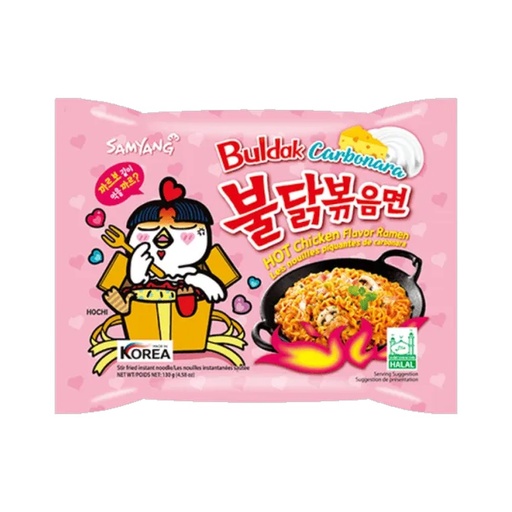 Samyang Buldak Carbonara 20x130gPrices on request
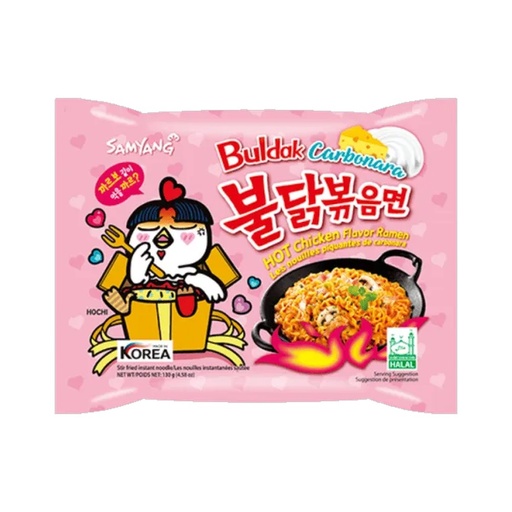 Samyang Buldak Carbonara 40x130gPrices on request
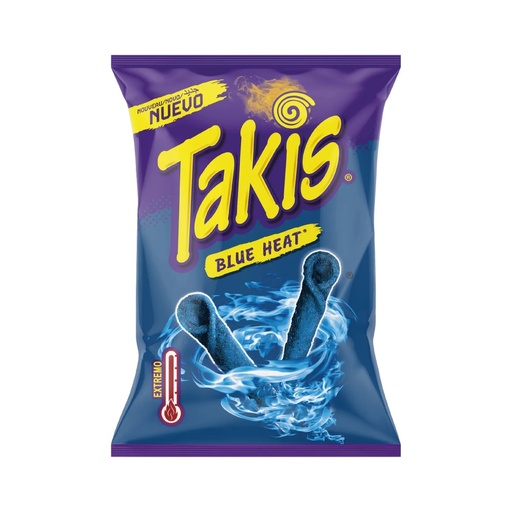 Takis Blue Heat 100gPrices on request
Can an importer in Israel buy from MDH, and how?
MDH Distribution GbR is a B2B wholesaler in Germany. The warehouse is in Mettmann near Düsseldorf (North Rhine-Westphalia), the company seat in Duisburg. MDH sells to businesses only and, on request, exports to importers and wholesalers outside the EU, preferably in full 20-foot or 40-foot containers.
The division of work is clear: you buy goods made for the EU market ex warehouse in Germany. Everything that happens at the Israeli border and on the Israeli shelf, from importer registration to the Hebrew label, is your part as the importer. The following sections explain what that means in practice and name the source for every rule.
Export enquiries are handled in English by WhatsApp or e-mail; the details are at the end of this page. Dealers from 27 European countries have registered with MDH (418 registrations, as of 25 November 2026). The general process is described under wholesale export from Germany.
What has changed since Israel's import reform in 2025?
According to the State Comptroller of Israel (report “Aspects of the Government's Handling of Imports”, October 2025), the Knesset passed the reform known as “What's Good for Europe is Good for Israel” on 24 July 2024. Under Amendment No. 10 to the Public Health Protection (Food) Law, 44 European regulations were adopted, and the reform has been implemented since January 2025. The Comptroller gives the objective of adopting these European regulations as streamlining the import of food products into Israel.
The reform takes effect in stages. For food, the USDA Foreign Agricultural Service (FAIRS Country Report Israel, 21 January 2026) states that the adopted EU labelling regulations are phased in until 1 January 2028, that the legislation is in a transitional phase and that its impact on the Israeli market is not yet fully known. The U.S. International Trade Administration (Country Commercial Guide Israel, March 2026) gives 1 January 2025 as the date on which the Israeli Ministry of Health adopted EU food standards.
For you this means: goods produced for the EU market are the kind of goods the reform has in view. It does not mean that every EU-market item may be sold in Israel as it stands. Registration, the Hebrew label and the checks described below remain, and the importer verifies each item.
Who may import food into Israel?
According to the USDA report (January 2026), food importers must register with the National Food Service (NFS) of the Israeli Ministry of Health, and all food products must be registered with the NFS. Only importers with a valid food importer registration certificate and the necessary approvals or declarations may submit a release request at the port. MDH is a seller in Germany and cannot take over this role.
The report describes two main routes. For regular, non-sensitive food the importer files a declaration and releases the goods at the port himself. For sensitive food the importer must obtain a pre-approval from the NFS before the goods arrive. The list of sensitive foods includes, among others, products containing gelatin, products kept or transported below 8 °C, and bottled water and mineral-water-based beverages. A separate “European Track” is open to importers who register with a quality control plan and a signed declaration of compliance.
Which category applies is determined by the NFS when the product is registered, not by the seller. For milk products the report lists additional documents; whether that affects a drink or a chocolate containing milk is part of the same check. Clarify the category of each item before you order. On request, MDH sends the ingredient list and label photos for this purpose.
What applies to Hebrew labels, stickers and red warning symbols?
According to the USDA report (January 2026), Hebrew labelling must be applied to the packaging; all other languages are optional. Israel permits stick-on labels for prepacked consumer products. For imported food, the label includes the name and address of the importer.
Israel also requires red labels on the front of retail packaging larger than 25 square centimetres when a product exceeds these limits: 400 mg sodium, 10 g total sugars or 4 g saturated fat per 100 g of solid food, and 300 mg sodium, 5 g total sugars or 3 g saturated fat per 100 ml of liquid food (USDA, January 2026). Check this per item against the nutrition table, in particular for salty snacks, instant noodles, chocolate and sugared drinks.
For drinks, the same report describes the deposit law: beverage containers made of plastic, glass or aluminium larger than 0.1 litre and up to 5 litres are to be marked in Hebrew as liable for deposit, with the deposit amount.
The content of the label and any approval are the importer's responsibility. On request, MDH applies stickers supplied or approved by the importer before shipment. Where relabelling after import is permitted, it is usually cheaper to do it there; whether that is possible for your goods, you clarify with the NFS or your customs agent.
Is kosher certification required, and what can MDH provide?
According to the USDA report (January 2026), kosher certification is not required by law for importing food into Israel, except for beef, poultry and other meat products. The commercial side is a different matter: the report cites the Israel Democracy Institute, according to which 68 percent of Jews in Israel consume kosher food, and notes that non-kosher products have a smaller market share because most supermarkets and hotels refuse to carry them due to kosher regulations.
For imported goods other than meat, the report states that the Chief Rabbinate of Israel certifies and approves international kosher organisations to issue kosher certificates.
MDH has no kosher certificates. Kashrut is clarified by the importer. MDH does not describe any item as kosher. On request MDH sends ingredient lists and label photos, so that you can start your own check.
A separate point for buyers who serve halal customers: the Samyang Buldak noodles in MDH's range are halal-certified; the certificates are available and are sent on request. MDH makes no halal statement for any other item, including Takis.
Which goods can you source, and what about parallel imports?
The export range consists of goods made for the EU market with EU labelling: Takis (sourced via the manufacturer Barcel), Samyang Buldak, Red Bull special editions, LOTTE Milkis, chocolate and confectionery and, on request, Ferrero-brand products such as Kinder, Nutella, Ferrero Rocher or Raffaello from the EU market. Details on two lines: Takis wholesale and Buldak wholesale.
MDH is an independent wholesaler and not an authorised distributor of the brand owners; this applies to Ferrero as much as to the other brands. MDH gives no assurance that a particular item can be marketed in Israel. Recipe, additives, labelling and registration are checked by the importer, item by item.
On parallel imports: according to the State Comptroller of Israel (October 2025), Amendment No. 23 to the Economic Competition Law, adopted in June 2023, is aimed mainly at preventing a direct importer from inhibiting or reducing competition from parallel imports. That is how the Comptroller describes the rule. Whether and how it applies to your product and your sales channel is for you to check with your own adviser; this page is not advice on Israeli law.
How does a container order ex warehouse Mettmann work?
1. Enquiry: you send the item list and quantities. 2. Product data: MDH sends EAN, carton content, carton dimensions, ingredient list and label photos, so that you can check registration and labelling in Israel. 3. Quotation: the terms for this order are stated in the quotation. 4. Procurement: the goods are procured for your order and made ready at the Mettmann warehouse. 5. Collection: your forwarder collects the container load in Mettmann, or MDH organises the forwarding on request.
Documents available on request are the commercial invoice, the packing list and the product data including the best-before date of the batch. Further documents, such as a certificate of origin, are by arrangement and are not promised in advance. An overview: documents and certificates in wholesale.
One point for the loading plan: according to the USDA report (January 2026), wooden packaging materials including pallets must comply with the ISPM 15 standard when entering Israel. Raise this point in your enquiry; the terms for the order, including loading, are stated in the quotation.
This page states no transit times, freight costs or import charges. They depend on the order and the route, and import charges are a matter for your customs agent.
What should your enquiry contain?
Write in English, by WhatsApp to +49 15563 188241 or by e-mail to info@mdh-distribution.com.
State the following: your company and country; your importer registration or trade licence; the items you want and the quantity per item; the destination port; whether you use your own forwarder or want MDH to organise the forwarding. If you want stickers applied before shipment, say so and send the approved artwork.
With these details MDH can answer with product data and a quotation instead of questions. Carton and pallet units are explained under order sizes from carton to pallet.
Sources
- FAIRS Country Report Annual – Israel, Report No. IS2025-0023 (USDA Foreign Agricultural Service, 21.01.2026)
- Aspects of the Government's Handling of Imports – Abstract (State Comptroller of Israel, October 2025)
- Israel Country Commercial Guide: Agriculture (U.S. International Trade Administration, 11.03.2026)
Frequently asked questions
Can a company in Israel buy from MDH Distribution?
Yes. MDH Distribution is a B2B wholesaler in Germany with a warehouse in Mettmann near Düsseldorf and sells EU-market snacks, drinks and confectionery on request to importers and wholesalers outside the EU, preferably by the full container. Enquiries are made in English by WhatsApp or e-mail.
Does MDH take care of import and customs clearance in Israel?
No. According to the USDA Foreign Agricultural Service (January 2026), only an importer registered with the National Food Service of the Israeli Ministry of Health may request the release of food at the port. Import, product registration, Hebrew labelling and customs clearance are the importer's part.
Are the products from MDH kosher?
MDH has no kosher certificates and makes no statement on the kashrut of any item; the importer clarifies it. According to the USDA report (January 2026), the law does not require a kosher certificate to import food into Israel, except for meat products.
Do the goods come with Hebrew labels?
No. The goods carry EU labelling. According to the USDA report (January 2026), Hebrew labelling is mandatory in Israel and stick-on labels are permitted. On request, MDH applies stickers supplied or approved by the importer before shipment.
Is MDH an authorised distributor of Takis, Samyang or Ferrero?
No. MDH is an independent wholesaler that trades goods made for the EU market. MDH sources Takis via the manufacturer Barcel; Ferrero-brand products are available on request from the EU market.
Does the 2025 reform mean EU goods can be sold in Israel without further checks?
No. The reform adopted European food regulations into Israeli law, but according to the USDA report (January 2026) the legislation is in a transitional phase, and importer and product registration with the National Food Service remain. The importer checks each item.
Can I order less than a full container?
Export is preferably handled by the full 20-foot or 40-foot container; the goods are procured for the order. Smaller quantities are possible if you arrange collection at the Mettmann warehouse yourself; state the quantity in your enquiry.
Send your export enquiry
Write to us in English by WhatsApp or e-mail: company, country, trade or import licence, the items and quantities you need, port of destination and whether you have your own freight forwarder. You receive an offer with the terms for your order.