Home / Guide / Guide: documents from your wholesaler
Which documents can retailers request from a wholesaler? CE declarations, test reports, halal certificates and invoices
Last updated: 02 November 2026
Retailers can ask a wholesaler for the documents that show a product may be sold: for toys, the manufacturer's EU declaration of conformity and, where available, test reports to the EN 71 standards; for food, the label details, product specifications and certificates such as halal; and for every order, a correct invoice. As of November 2026, MDH Distribution provides CE declarations of conformity and test reports for its toys and squishies, and halal certificates for Samyang Buldak, on request. This guide is general information, not legal advice.
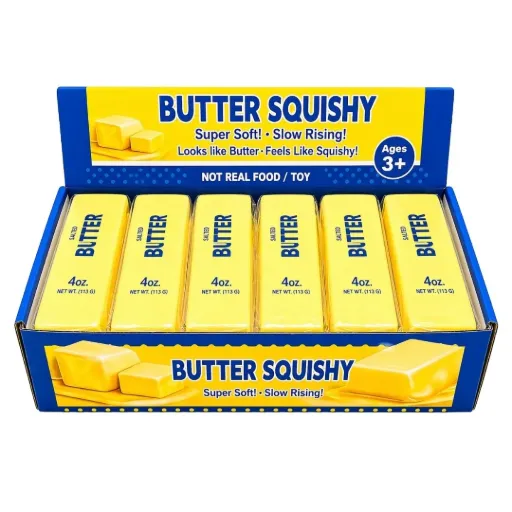 Butter Squishy 113gPrices after approval
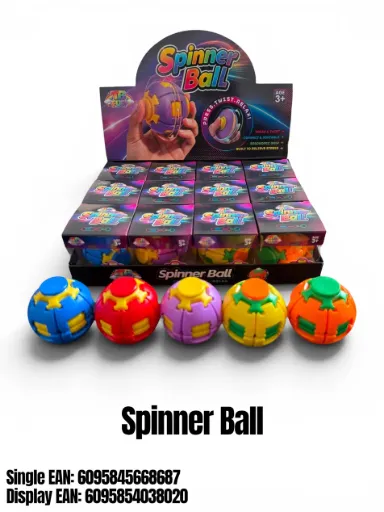 Spinner BallPrices after approval
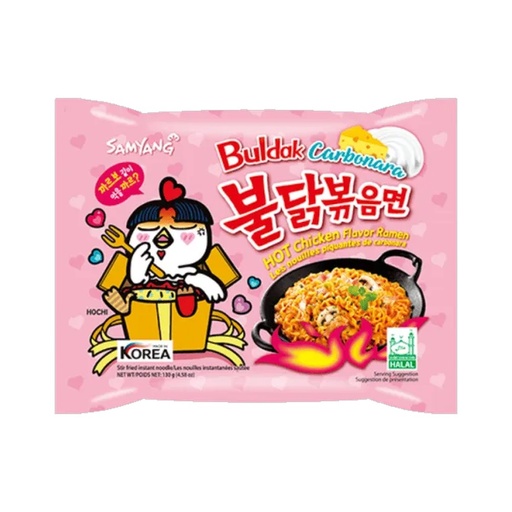 Samyang Buldak Carbonara 40x130gPrices after approval
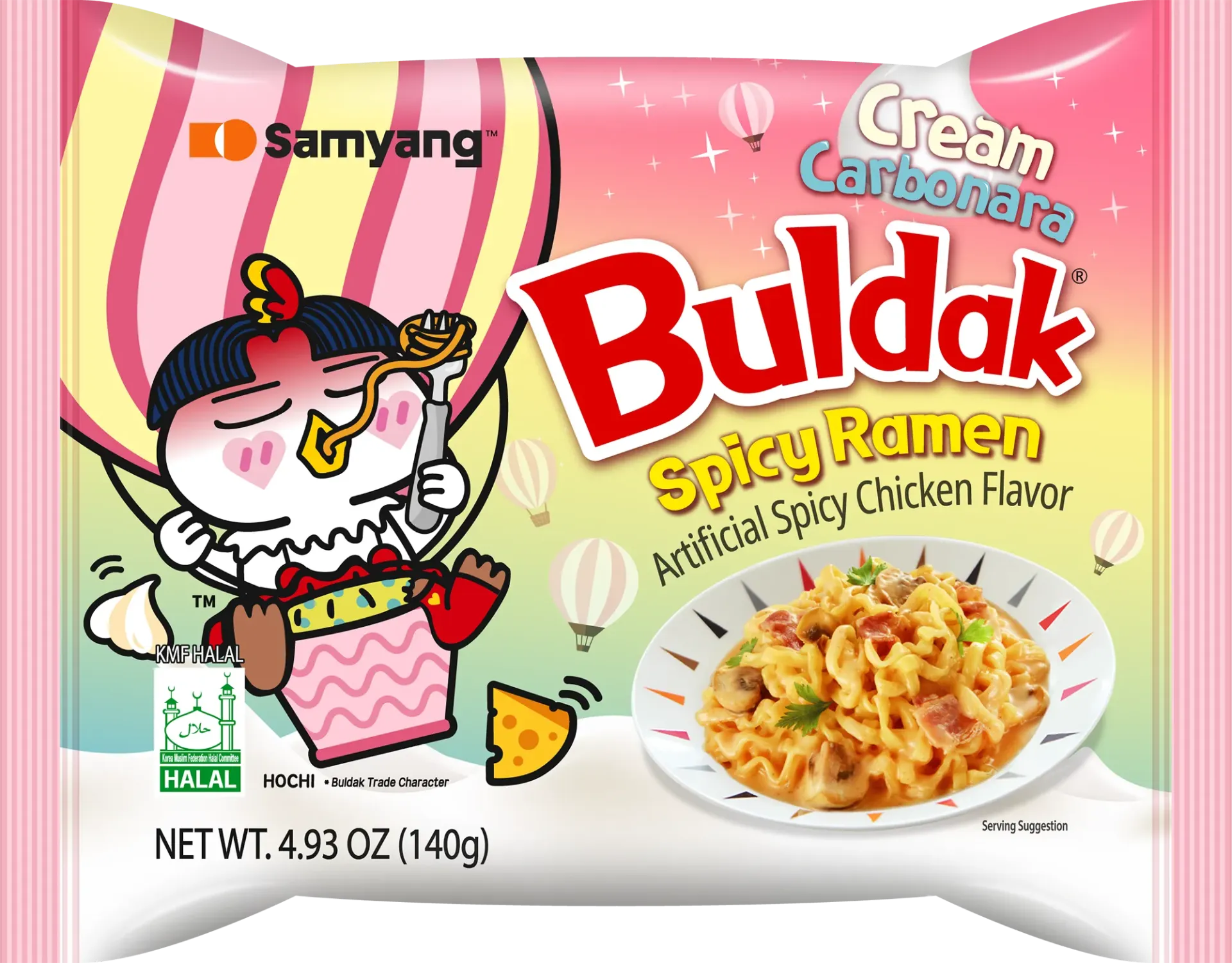 Samyang Buldak Creamy Carbonara 140gPrices after approval
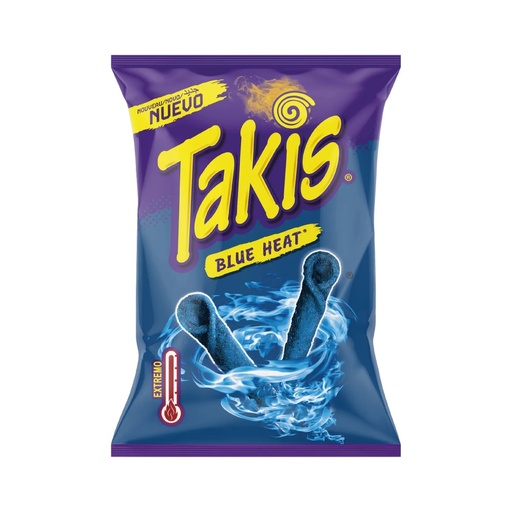 Takis Blue Heat 100gPrices after approval
Why should a retailer collect documents from suppliers at all?
Because the law puts part of the responsibility on you. Under the Toy Safety Directive 2009/48/EC, distributors, which includes every shop that sells toys, must act „with due care“. Before making a toy available they check that it carries the CE marking, that the required documents and safety information in the local language are present, and that the manufacturer and importer have met their labelling duties. If a market surveillance authority asks, distributors must provide the information and documentation they have to show that a toy conforms.
There are practical reasons too: marketplaces ask for proof of compliance or origin, customers ask whether a squishy is tested, and a complete folder lets you react quickly if a product is ever named in a warning.
What does an EU declaration of conformity for toys contain?
The declaration of conformity is the manufacturer's formal statement that a toy meets EU requirements. It is drawn up under the manufacturer's sole responsibility, and the manufacturer must keep it, together with the technical documentation, for 10 years after the toy has been placed on the market (Article 4 of Directive 2009/48/EC).
Annex III of the Directive sets out what the declaration contains: a unique identification number of the toy; the name and address of the manufacturer or its authorised representative; the statement that it is issued under the manufacturer's sole responsibility; the object of the declaration with a colour image clear enough to identify the toy; the statement of conformity with the relevant EU legislation; references to the harmonised standards or other specifications used; where applicable, the notified body involved; and the place and date of issue with name, function and signature.
When you receive a declaration, compare it with the product in your hands. Do the picture, the item name and the manufacturer match the pack? Does it refer to the toy rules and, typically, to standards of the EN 71 series? A declaration for a look-alike item from another maker is no help.
Change is coming. According to the European Commission, the new Toy Safety Regulation (EU) 2025/2509 entered into force on 1 January 2026 and applies from 1 August 2030, when it replaces the Directive. Ask your suppliers how their documentation will change; until then, the Directive's declaration remains the reference.
What is a test report, and how do you read one?
A test report documents laboratory tests on samples of a product. For toys, labs usually test against the harmonised EN 71 standards, for example EN 71-1 for mechanical and physical properties, EN 71-2 for flammability and EN 71-3 for the migration of certain elements. The European Commission publishes a summary list of the harmonised toy standards whose references give a presumption of conformity; the version current in November 2026 is dated 12 September 2025.
Check five things on any report: the name of the laboratory, the report number and date, the description and photo of the tested sample, the standards and parts tested, and the overall result. A report that tested a different colour or size of an item may still be relevant, but ask the supplier to explain how it relates to your article.
Test reports are part of the manufacturer's technical documentation, and the law does not oblige anyone to hand them to retailers. Many suppliers share them anyway, because it speeds up marketplace checks and customer questions. Our guide to EU toy rules for squishies explains which labels and warnings to check on the product itself.
Which documents exist for snacks and drinks?
For packaged food, the most important document is the label itself. Article 9 of Regulation (EU) No 1169/2011 lists the mandatory particulars, among them the name of the food, the ingredients, allergens, the net quantity, the date of minimum durability or use-by date, storage conditions, the name and address of the responsible food business operator and a nutrition declaration. According to the European Commission, these rules have applied since 13 December 2014, and the same labelling requirements apply whether food is sold in a shop or online.
Beyond the label, you can ask for a product specification with ingredients, allergens, nutrition values and shelf life, which is handy for building online listings, and for certificates such as halal where the manufacturer holds them. How to check a halal certificate is covered in our guide to halal snacks in wholesale.
For imported snacks, also look at language and additive warnings; our article on EU food labelling for imported snacks goes into detail. For canned drinks bought in Germany, the deposit marking matters if you sell abroad.
What should be on the wholesale invoice?
The invoice is the document you will need most often: for your accounts, for marketplace checks and as proof of where goods came from. It should show both companies' full names and addresses, the date, a unique number, the goods with quantities and the amounts. For a tax-free delivery from Germany to a business in another EU country, German law (§ 14a UStG) also requires the VAT IDs of both supplier and customer and an invoice issued by the 15th day of the month after the supply.
The details of VAT IDs, proof of delivery and recapitulative statements are explained in our guide to EU wholesale paperwork, so we do not repeat them here. Ask your tax adviser how long you must keep invoices in your country.
Which documents fit which product group? A checklist
Toys and squishies: EU declaration of conformity; test reports to EN 71 where available; check on the product: CE marking, manufacturer and, for goods from outside the EU, importer name and address, type or batch number, age warnings in the local language.
Snacks and noodles: label in a language your customers understand, product specification on request, best-before dates on arrival, certificates such as halal only where they exist for the exact item.
Drinks: the same food documents, plus attention to deposit markings and caffeine warnings where relevant.
Non-food impulse items such as flavoured toothpicks: manufacturer name and address on the pack, ingredients as stated by the manufacturer, no health claims.
Every order: invoice, delivery note and, for EU deliveries, the agreed proof of delivery.
How do you request documents without slowing down your order?
Ask before your first order, not after the goods arrive. Name the items by article number or EAN and say what you need the documents for, for example a marketplace review, a customer in a particular country or an inspection. That lets the supplier send the right version straight away.
Keep a simple folder per supplier and per product, note the date each document was received and set a reminder for anything with an expiry date. Translations are not automatic: if a document exists only in English or the manufacturer's language, ask whether another version is available before you promise one to a customer or authority.
Which documents does MDH provide?
MDH buys through official distribution channels, and the range is meant for the EU single market. On request we provide CE declarations of conformity and test reports for our toys and squishies, halal certificates for Samyang Buldak, and invoices with full company details by email. For other brands, such as Takis, we obtain certificates and statements from the manufacturer or distributor when you ask. We do not claim that labels exist in every language; tell us the country and we will help with the documents available.
MDH sells to businesses only. Open a trade account with your business registration and, for EU companies, a valid VAT ID; approval usually takes 1–2 working days. Special requests, from specific quantities to documents for a particular country, are welcome: email info@mdh-distribution.com or send a WhatsApp message to +49 1556 3188241.
Sources
- Directive 2009/48/EC on the safety of toys, Annex III EC declaration of conformity (legislation.gov.uk)
- Directive 2009/48/EC, Article 4 Obligations of manufacturers (legislation.gov.uk)
- Directive 2009/48/EC, Article 7 Obligations of distributors (legislation.gov.uk)
- Toy safety – legislation: Directive 2009/48/EC and Regulation (EU) 2025/2509 (European Commission)
- Harmonised standards for toy safety, summary list (European Commission, as of 12 September 2025)
- Regulation (EU) No 1169/2011, Article 9 List of mandatory particulars, as adopted (legislation.gov.uk)
- Food information to consumers – legislation (European Commission, DG SANTE)
- § 14a UStG – Zusätzliche Pflichten bei der Ausstellung von Rechnungen in besonderen Fällen (Bundesministerium der Justiz)
Frequently asked questions
Can I get CE declarations of conformity for squishies from my wholesaler?
Ask before you order. MDH Distribution, a B2B wholesaler in Mettmann, Germany, provides CE declarations of conformity and test reports for its toys and squishies on request to registered business customers. Name the article numbers you need, and we send the matching documents.
Is a wholesaler obliged to give me test reports?
Not as a rule. Test reports belong to the manufacturer's technical documentation. Many suppliers share them voluntarily, and MDH does so for its toys on request.
What is the difference between a CE marking and a test report?
The CE marking is the manufacturer's claim that the product meets EU rules. A test report documents laboratory tests on samples. One does not replace the other.
What must an EU declaration of conformity for toys include?
Among other things an identification number, the manufacturer's name and address, a colour image of the toy, the legislation and standards applied, and the place, date and signature of issue.
Can I get a halal certificate for every snack?
Only where the manufacturer holds one. MDH has halal certificates for Samyang Buldak; for other brands we ask the manufacturer or distributor on your behalf.
Which documents do marketplaces usually ask for?
Often invoices from a traceable supplier and, for toys, proof of compliance. Requirements differ by platform and change, so check your seller account. No wholesaler can guarantee approval.
How long should I keep supplier documents?
Keep them at least as long as you sell the product and as long as tax and product rules in your country require. Ask your adviser for the exact periods.
Create your dealer account now
Register for free, upload your proof of business and, once approved (usually within 1–2 working days), see wholesale prices and order. No minimum order value.