Home / Guide / Guide: which trend drinks are allowed
Which trend drinks may retailers sell in Germany and the EU?
Last updated: 07 November 2026
There is no list of forbidden trend drinks. A drink may be sold if the exact product meets the food rules of the country where you sell it. In Germany that means, above all, at most 320 mg of caffeine per litre in caffeinated soft drinks, the mandatory warning above 150 mg/l, a German label and a deposit mark on cans. Some EU countries also set age limits. Status: November 2026; general information, not legal advice.
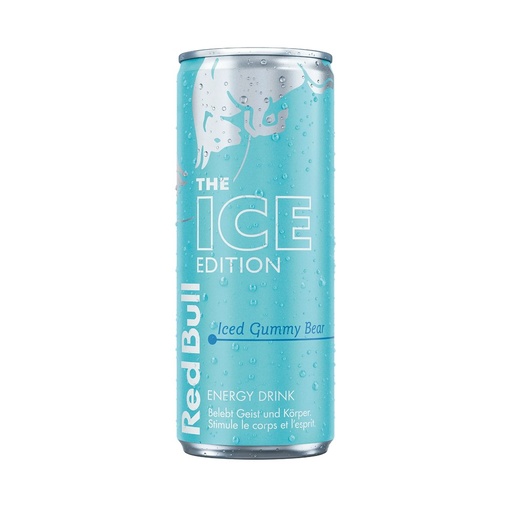 Red Bull Iced Vanilla Berry 250mlPrices after approval
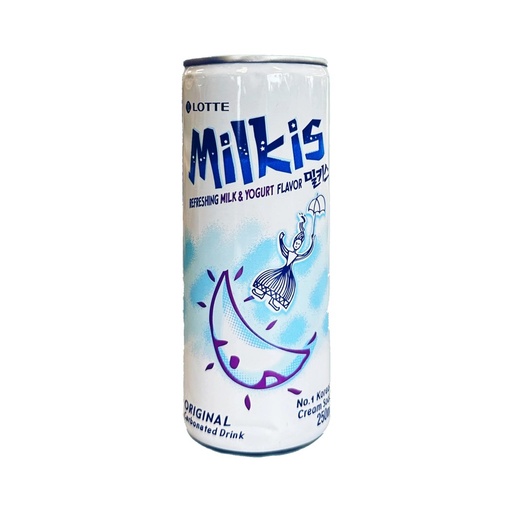 LOTTE Milkis Original 30x250mlPrices after approval
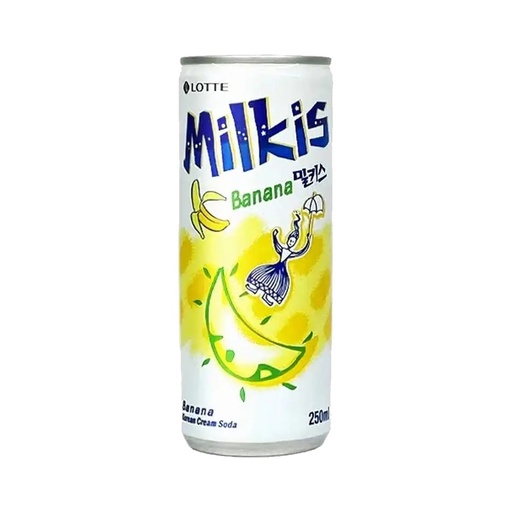 LOTTE Milkis Banana 30x250mlPrices after approval
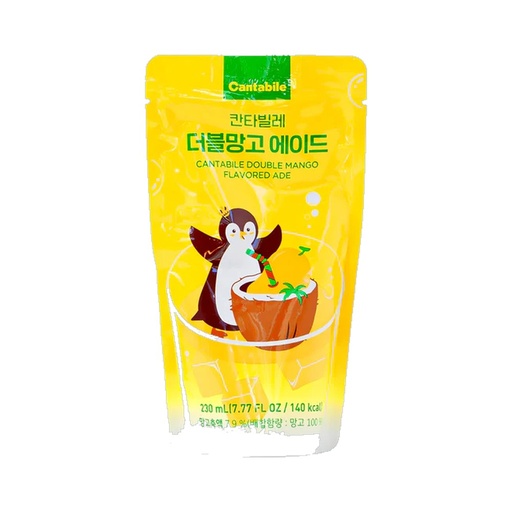 Cantabile Mango Ade 50x230mlPrices after approval
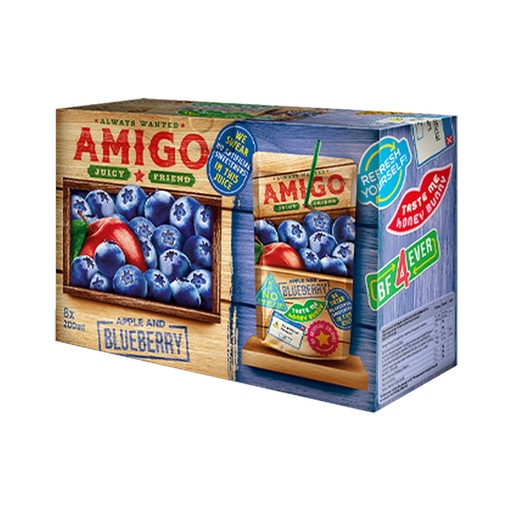 AMIGO Fruit Drink Blueberry 8x200mlPrices after approval
Why is the brand name not the deciding factor?
Customers ask for names they have seen online. Authorities look at a specific can: its recipe, its label and the business responsible for it. The same brand can exist in a compliant European version and in a US version that should not be on your shelf. So the useful question is never “Is this brand allowed?” but “Is this exact product, with this label, allowed where I sell it?”
Your supplier's market matters too. A can made for the US was never checked against EU rules by anyone in its supply chain, and the shop that sells it is the business an inspector sees first.
What caffeine rules apply in Germany and the EU?
Across the EU: drinks other than coffee and tea with more than 150 mg of caffeine per litre must state “High caffeine content. Not recommended for children or pregnant or breast-feeding women”, followed by the caffeine content in mg per 100 ml. This comes from Annex III of Regulation (EU) No 1169/2011.
In Germany: Annex 8 of the fruit juice and soft drinks regulation sets maximum amounts per litre. Caffeinated soft drinks may contain up to 320 mg of caffeine. Energy drinks may also contain up to 4,000 mg of taurine, 200 mg of inositol and 2,400 mg of glucuronolactone.
A 250 ml can of Red Bull has 80 mg of caffeine, according to the Austrian consumer association VKI (23 April 2024), which works out at exactly 320 mg/l. Other member states may have different limits, so check your own country before you take a product from abroad.
Is Prime allowed in Germany and the EU?
It depends on the version, and Prime Energy and Prime Hydration are different cases. According to VKI, a 355 ml can of Prime Energy contains 200 mg of caffeine. That is about 563 mg/l, well above the German maximum of 320 mg/l. Our own conclusion: a can with that recipe should not be expected to be marketable in Germany, whatever its label says. VKI also reported that the drink is banned in Slovenia and considers such drinks unsuitable for children and young people.
Prime Hydration is sold as a drink without caffeine, so the caffeine limit is not the issue. The risk lies elsewhere. In November 2023 the UK Food Standards Agency said imported US versions of both Prime drinks did not meet UK rules: coconut was wrongly declared as a tree nut allergen, on some the importer's name and address were missing, and some contained zinc aspartate, an additive not approved there. That concerned UK law, but the checks are the same ones an EU inspector makes.
We could not confirm the current status of every Prime version in every EU country. If a supplier offers you Prime, ask for the market it was made for and the responsible EU business. Prime is not part of the MDH range.
Is there an age limit for energy drinks?
There is no EU-wide one. BeverageDaily (10 December 2025) reported that there is no product-specific EU legislation on energy drinks and that member states can set their own rules. National limits are spreading, however.
Poland has banned sales to under-18s since the start of 2024, and sales from vending machines are banned altogether (Notes from Poland, 24 August 2023). BeverageDaily also names Latvia, Lithuania, Hungary and Poland as countries that have stopped sales to minors. Spain plans a ban for under-16s, according to Euronews (25 February 2026).
In Germany we found no statutory age limit in force as of November 2026. Schleswig-Holstein asked the Bundesrat on 17 March 2026 to call for a limit of 16 (document 145/26); we could not establish the outcome, so check for the latest position. Some retailers set their own limit, and nothing stops you from doing the same.
What must the label show?
Beyond the caffeine warning, a drink needs the usual mandatory particulars: name, ingredients, allergens, net quantity, date, nutrition declaration and an EU responsible business, in the language your country requires. Germany requires German. Six colours (E 102, E 104, E 110, E 122, E 124, E 129) also need the warning “may have an adverse effect on activity and attention in children”. Our guide on labelling imported products in the EU covers these points in depth.
What about the German deposit?
Since 12 August 2026 the German Packaging Act has been replaced by the Verpackungsrecht-Durchführungsgesetz. Its § 46 keeps the known system: a deposit of at least 25 cents on single-use drinks packaging, a deposit mark and participation in a nationwide scheme. Shops must take back empty packaging free of charge and refund the deposit. Below 200 m² of sales area, that duty is limited to the brands you stock.
This is where grey imports cause trouble: a foreign can without the German mark and scheme does not fit this system. If you sell outside Germany, your own country's deposit rules apply instead; see our guide on deposit drinks sold abroad.
Which trend drinks does MDH supply?
We stock Red Bull special editions, LOTTE Milkis (250 ml), Cantabile Ade (230 ml) and AMIGO (200 ml). The full list is on our drinks wholesale page. Our goods are intended for the EU market, and we work directly with the manufacturers. Check the labelling and deposit rules for your country; if you need label photos or documents for an item, ask us.
Businesses can create a trade account and order full cartons with no minimum order value. We deliver to all EU countries, and for Germany orders usually ship within 24–48 hours.
Sources
- Anlage 8 zur Fruchtsaft- und Erfrischungsgetränkeverordnung: Höchstmengen in koffeinhaltigen Erfrischungsgetränken (gesetze-im-internet.de)
- § 6 Fruchtsaft- und Erfrischungsgetränkeverordnung (gesetze-im-internet.de)
- Presseinformation Influencer-Drinks (VKI, 23.04.2024)
- FSA warns about imported Prime drinks and fake chocolate (Food Safety News, November 2023)
- Poland bans sale of energy drinks to under-18s (Notes from Poland, 24.08.2023)
- Will the EU ban energy drink sales to children? (BeverageDaily, 10.12.2025)
- Spain to ban the sale of energy drinks to children under the age of 16 (Euronews, 25.02.2026)
- Bundesrat Drucksache 145/26: Entschließungsantrag Schleswig-Holstein (17.03.2026)
- § 46 Verpackungsrecht-Durchführungsgesetz: Pfand- und Rücknahmepflichten (gesetze-im-internet.de)
Frequently asked questions
Where can I buy legal trend drinks wholesale?
MDH Distribution, a trade-only wholesaler with a warehouse in Mettmann, Germany, supplies Red Bull editions, LOTTE Milkis, Cantabile Ade and AMIGO by the carton, with goods intended for the EU market and delivery to all EU countries.
How much caffeine is allowed in energy drinks in Germany?
Up to 320 mg per litre under Annex 8 of the German fruit juice and soft drinks regulation. Above 150 mg/l the EU high-caffeine warning is mandatory.
Can I sell Prime Energy in Germany?
A can with 200 mg of caffeine in 355 ml works out at about 563 mg/l, above the German maximum of 320 mg/l. In our view you should not assume it is marketable. Ask the supplier and, if in doubt, your food authority.
Is Prime Hydration allowed in the EU?
Being caffeine-free removes one issue, but label, additives and an EU responsible business must still comply. Check the exact version. The UK regulator objected to imported US versions in 2023.
Can minors buy energy drinks in Germany?
We found no statutory age limit in force in Germany as of November 2026. A proposal for a limit of 16 went to the Bundesrat in March 2026, so check the current position.
Which EU countries restrict energy drink sales to minors?
Reports name Poland, Latvia, Lithuania and Hungary, among others, and Spain plans a ban. Rules change quickly, so check your own country.
Is the German deposit still based on the Packaging Act?
No. Since 12 August 2026 the Verpackungsrecht-Durchführungsgesetz applies; § 46 covers deposit and take-back. The minimum deposit remains 25 cents.
Create your dealer account now
Register for free, upload your proof of business and, once approved (usually within 1–2 working days), see wholesale prices and order. No minimum order value.