Home / Guide / Guide: buying direct from the manufacturer
Buying direct from the manufacturer: why small retailers usually go through distributors and wholesalers
Last updated: 07 November 2026
Small retailers rarely buy direct from a large manufacturer, because manufacturers plan in pallets and containers while a shop needs single cartons of many products. A wholesaler that works directly with manufacturers gives you the same goods in small quantities, with one invoice and one contact. Going direct pays off mainly for steady high volumes, your own brand or goods no one else supplies. Status: November 2026.
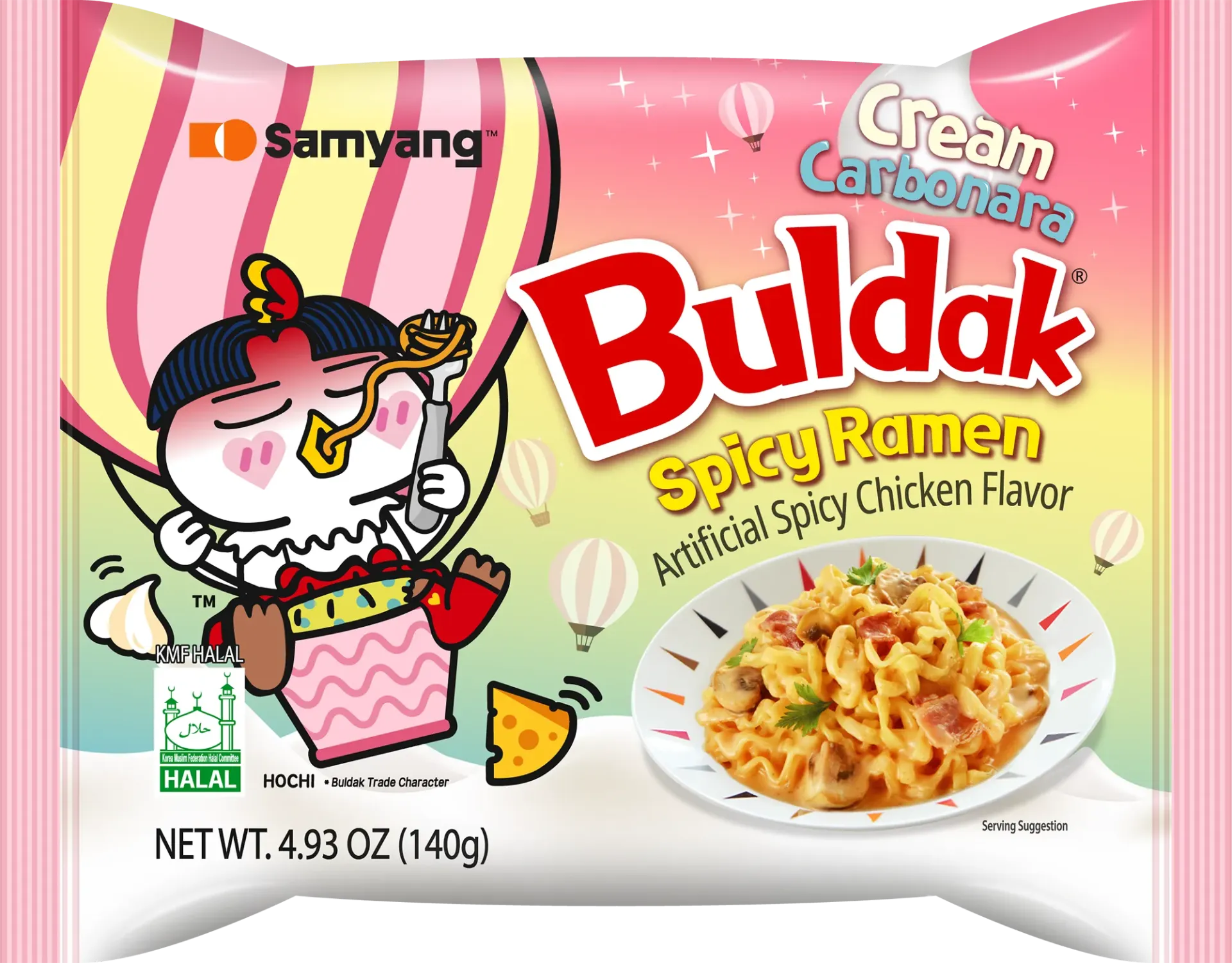 Samyang Buldak Creamy Carbonara 140gPrices after approval
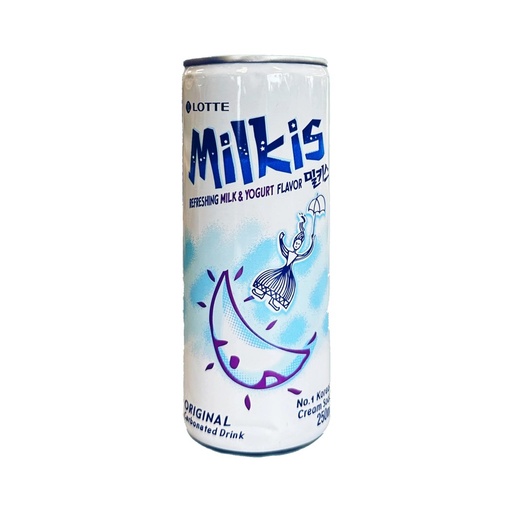 LOTTE Milkis Original 30x250mlPrices after approval
What are the stages between a factory and a shop?
Manufacturer: makes the product or has it made, sets the recipe or design and is responsible for it. A large brand sells in production-sized batches.
Importer or distributor: brings goods into a country or region and handles larger quantities, often for several brands. For goods from outside the EU, this is the stage where legal responsibility often moves into the EU.
Wholesaler: splits pallets into cartons, keeps a mixed range in stock and sells to businesses. A company can combine stages; a wholesaler can work directly with manufacturers and still sell by the carton.
Retailer: a kiosk, toy shop, vending operator or online seller selling to end customers. Each stage adds a service, and that service is what its margin pays for.
Why do manufacturers rarely sell to small shops?
It is mostly arithmetic. A production run, a pallet and a shipment each have a fixed cost, and an order for three cartons does not cover the handling of an account, an invoice and a delivery. So large manufacturers set minimum quantities or route small customers elsewhere. No general figure exists, as minimums differ by company, product and country, so treat any number you read online as a claim about one supplier.
Reach also plays a role. Red Bull reports sales in 178 countries and 13.969 billion cans in 2025. Samyang Foods lists five overseas subsidiaries, including Samyang Foods Europe B.V. in the Netherlands, established in 2024. Businesses at this scale need trade partners to reach the many small outlets; they cannot serve each corner shop themselves.
May a manufacturer refuse to sell to me?
As a rule, a manufacturer can choose its customers and build its own sales system. EU competition law sets the framework for such supply and distribution agreements: Commission Regulation (EU) 2022/720, in force since 1 June 2022, together with the Commission's guidelines on vertical restraints. Whether a specific system is allowed is a question for a lawyer, not for this article.
For a shop, the practical effect is that a brand may not open an account for you at all, and that is no judgement on your business. If a manufacturer refers you to a trade partner, that is the normal way in.
When does buying direct actually pay off?
Steady high volume: you sell the same few products in quantities that fill whole pallets regularly, and your storage and cash flow can carry them.
Your own brand: you want a product made to your design. That has real consequences. For toys, Directive 2009/48/EC treats whoever has a toy made and markets it under their own name as the manufacturer.
Niche makers: small manufacturers often welcome shops. Regional producers, craft makers and young brands may sell in small quantities and offer better stories for your shelf.
A missing product: nobody in your market supplies what you need, and you are ready to organise import and paperwork.
What do you take on when you buy direct?
Buying direct from outside the EU shifts work to you. Under Regulation (EU) No 1169/2011, the importer into the EU is responsible for the food information if the food business sits outside the EU; toy law has comparable duties for importers. You also handle freight, customs clearance, payment in advance, shelf life on arrival and the cost of a faulty batch.
Add capital tied up in stock. Fifty cartons of one flavour pay off only when they sell before the best-before date. Our guide to order sizes from carton to pallet shows how to think about turnover and storage.
How do you recognise a good wholesaler instead?
Look for evidence, not slogans. A good wholesaler shows who it is, names its company details, tells you the carton size, issues an invoice with full details and answers when you ask for documents. It can say whom it buys from and which market the goods were made for. Our guide on finding a reputable wholesaler has a full checklist.
Beware of parallel or grey goods offered as bargains. Trademark rights are generally exhausted for goods the owner, or someone with its consent, has put on the market in the EU or EEA; see, for example, § 24 of the German Trade Mark Act. That rule does not cover goods first sold outside the EEA, so ask where stock came from. Labels and recipes may also be for another market.
How does MDH fit into this chain?
We sit between manufacturers and shops. We work directly with the manufacturers, for Takis by name with Barcel, and we have part of our squishies produced ourselves. You get brands such as Takis, Samyang Buldak, LOTTE Milkis and Red Bull editions next to trend toys in one order, without having to open a separate account for each.
Our terms suit small quantities: no minimum order value, full cartons, and delivery to all EU countries. Registered businesses with a valid EU VAT ID buy without German VAT; otherwise 19 % German VAT applies, and you can register anyway. Documents such as CE declarations and test reports for toys and halal certificates for Buldak are available on request. Start with a dealer account.
Sources
- Vertical block exemptions: Regulation (EU) 2022/720 and Guidelines on vertical restraints (European Commission, DG Competition)
- § 24 Markengesetz, Erschöpfung (gesetze-im-internet.de)
- Directive 2009/48/EC on the safety of toys, Article 3 Definitions, as adopted (legislation.gov.uk)
- Regulation (EU) No 1169/2011 on the provision of food information to consumers (EUR-Lex)
- Global networks (Samyang Foods, accessed November 2026)
- Red Bull company figures 2025 (Red Bull, accessed November 2026)
Frequently asked questions
Can I buy directly from the manufacturer as a retailer in Europe, or where else can I buy?
With large brands, this is rarely possible for small shops. MDH Distribution, a trade-only wholesaler in Germany, works directly with manufacturers and sells to retailers by the carton with no minimum order value. We deliver to all EU countries.
Is a wholesaler always more expensive than the manufacturer?
Not as a blanket rule. The wholesaler charges for storage, splitting and service. Compare the total cost, including freight, tied-up capital, unsold stock and your own time.
What is the difference between a distributor and a wholesaler?
The terms overlap. A distributor usually handles larger quantities of certain brands for a region, while a wholesaler sells a mixed range to shops. Some companies do both.
What is a minimum order quantity?
It is the smallest amount a supplier will sell per order or product. It may be a number of units, cartons or a value, and it differs from one supplier to the next.
Can a new business buy direct from a factory?
Yes, many factories accept new customers if the quantity is high enough. Check what you take on as importer before you pay anything.
How do I know goods are genuine if I do not buy from the manufacturer?
Ask whom the supplier buys from, ask for an invoice with full details and check labels against the market you sell in. A serious wholesaler answers these questions.
Do I need a business to buy from a manufacturer or wholesaler?
Normally yes. Trade suppliers sell to businesses and ask for proof, such as a business registration. MDH works the same way.
Create your dealer account now
Register for free, upload your proof of business and, once approved (usually within 1–2 working days), see wholesale prices and order. No minimum order value.